
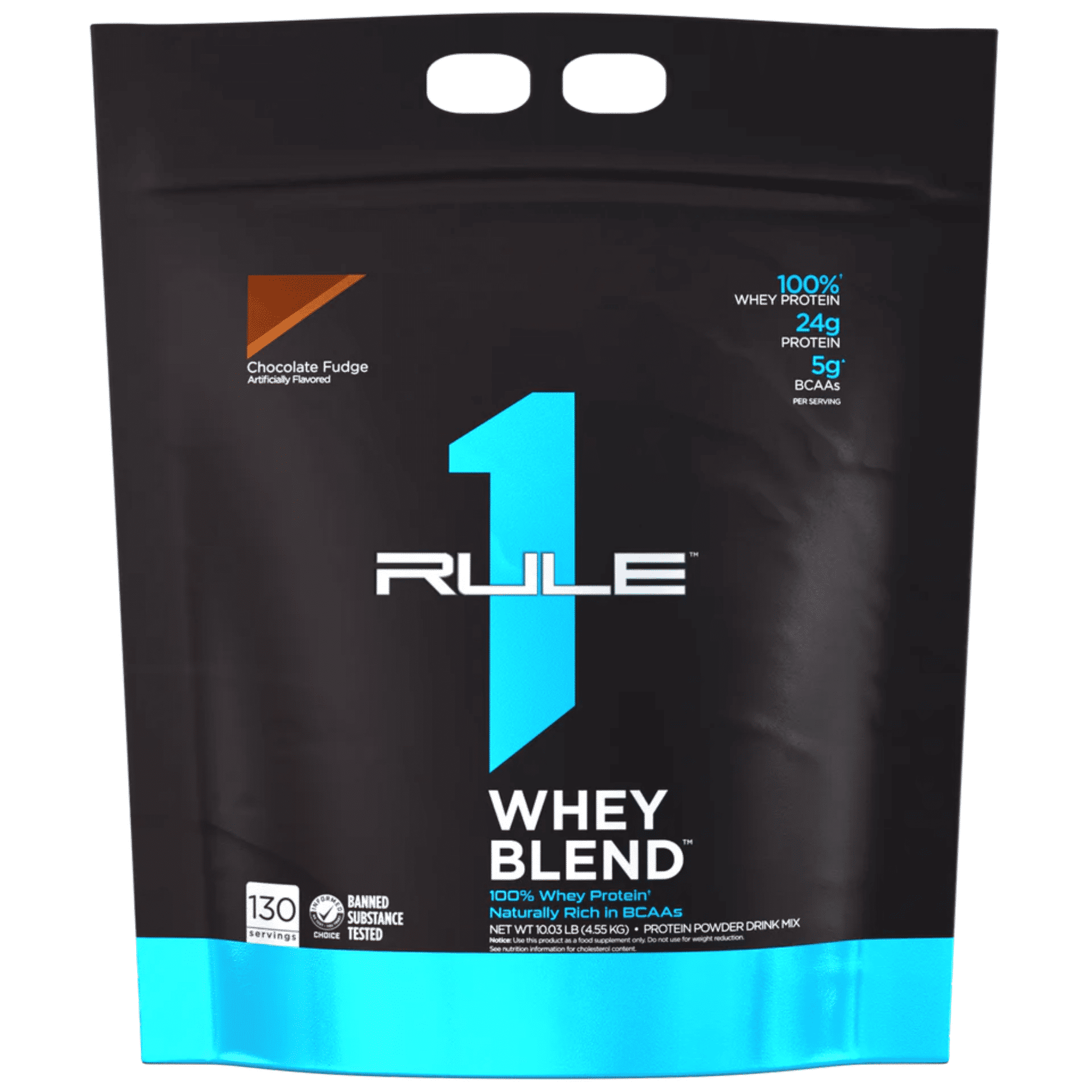


Description
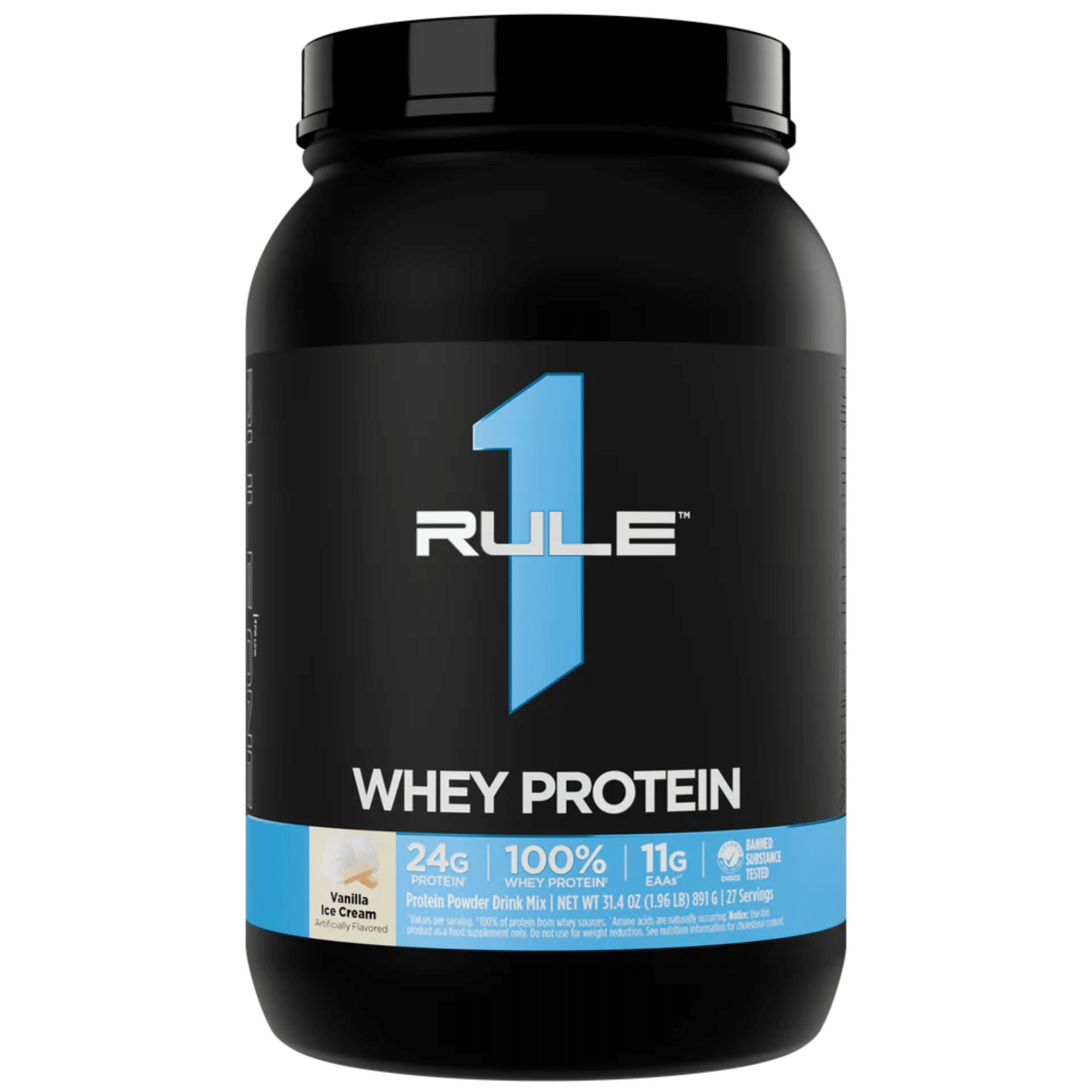
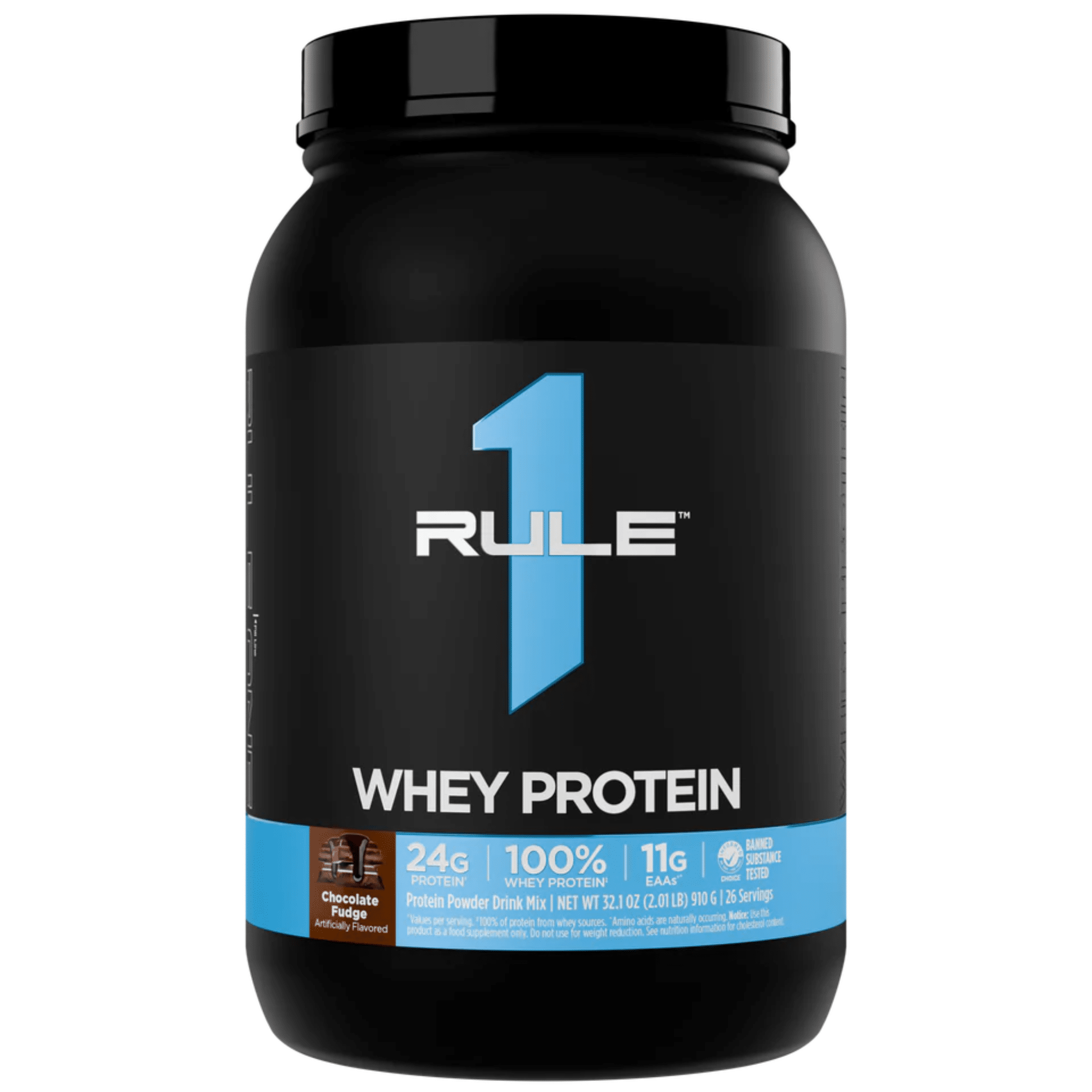
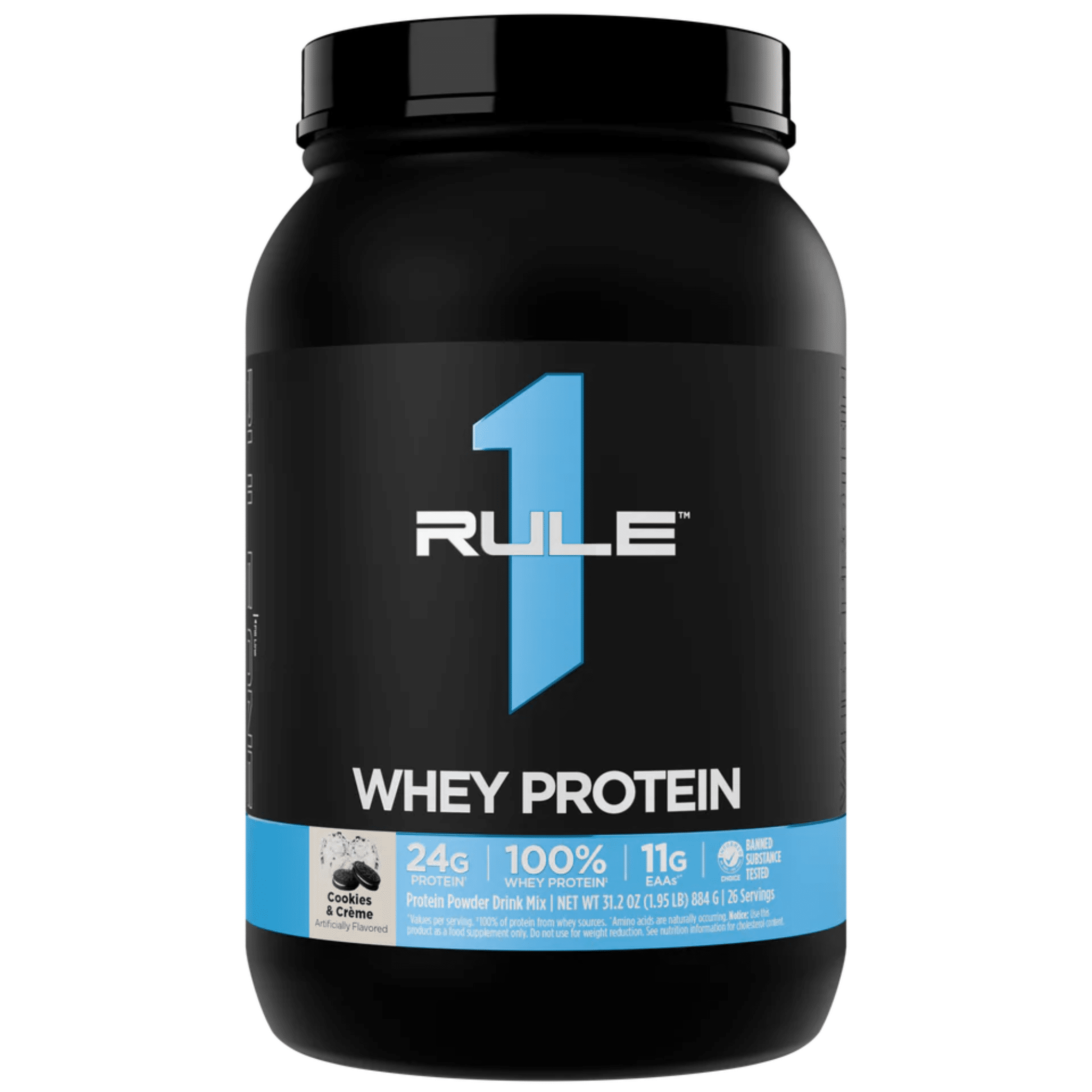
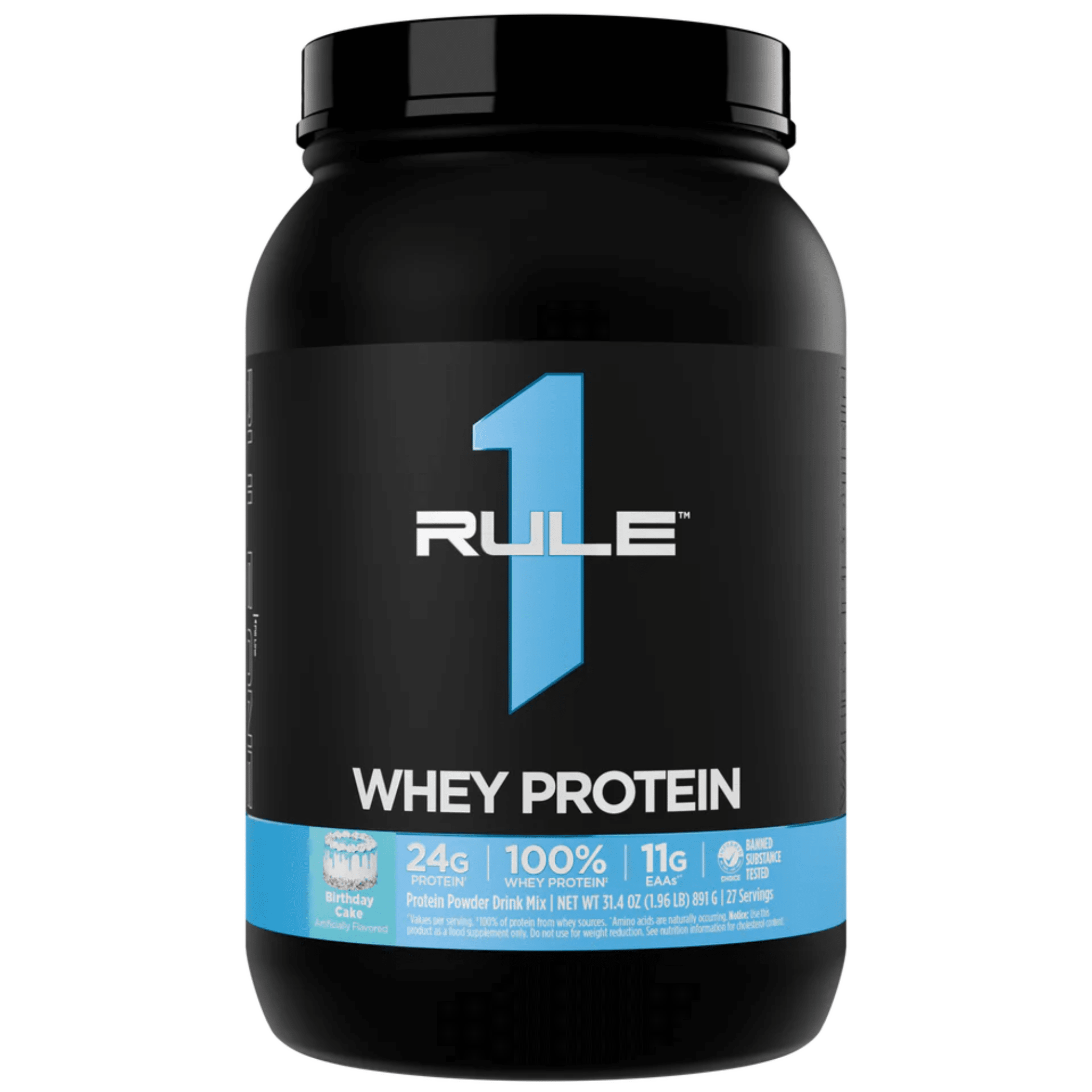
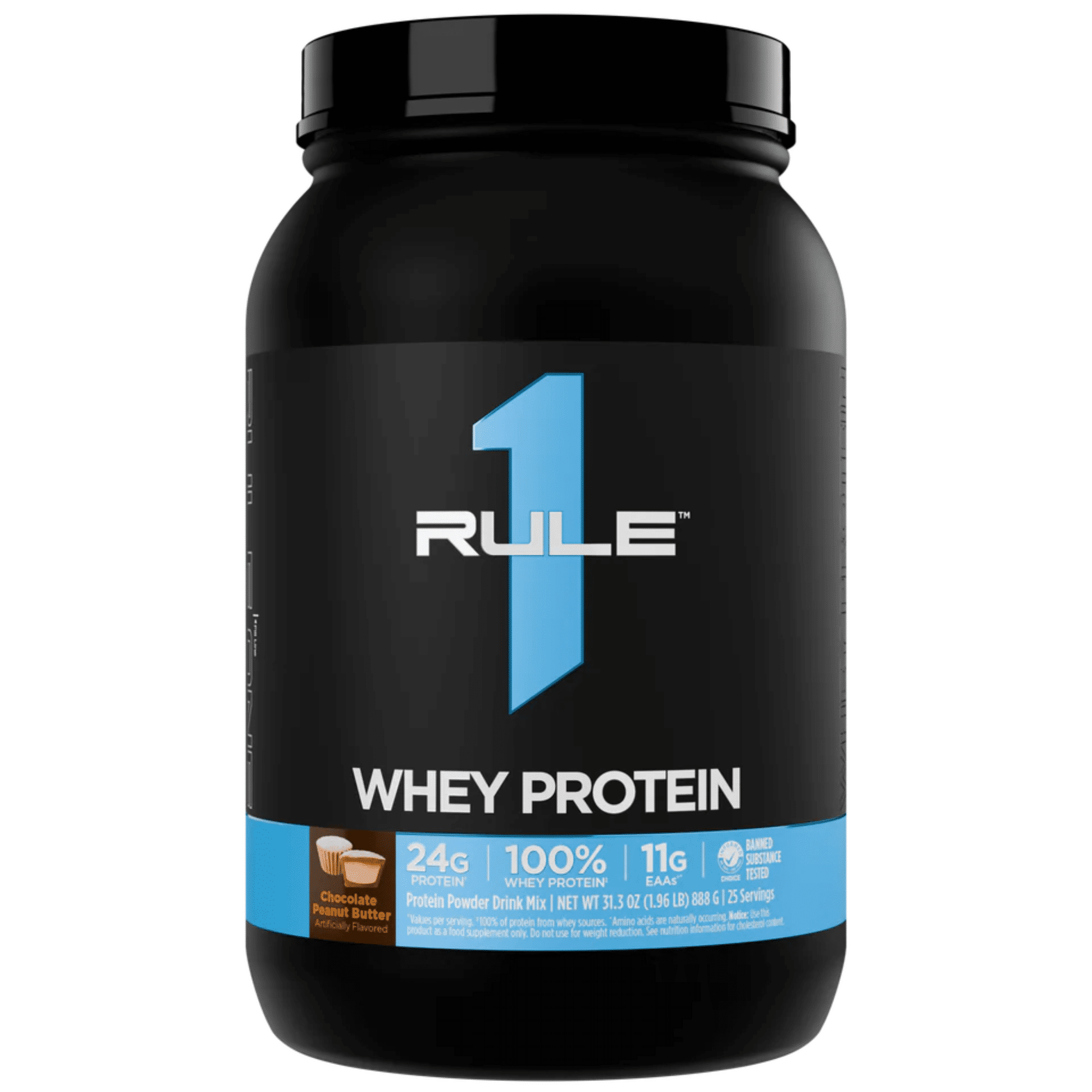
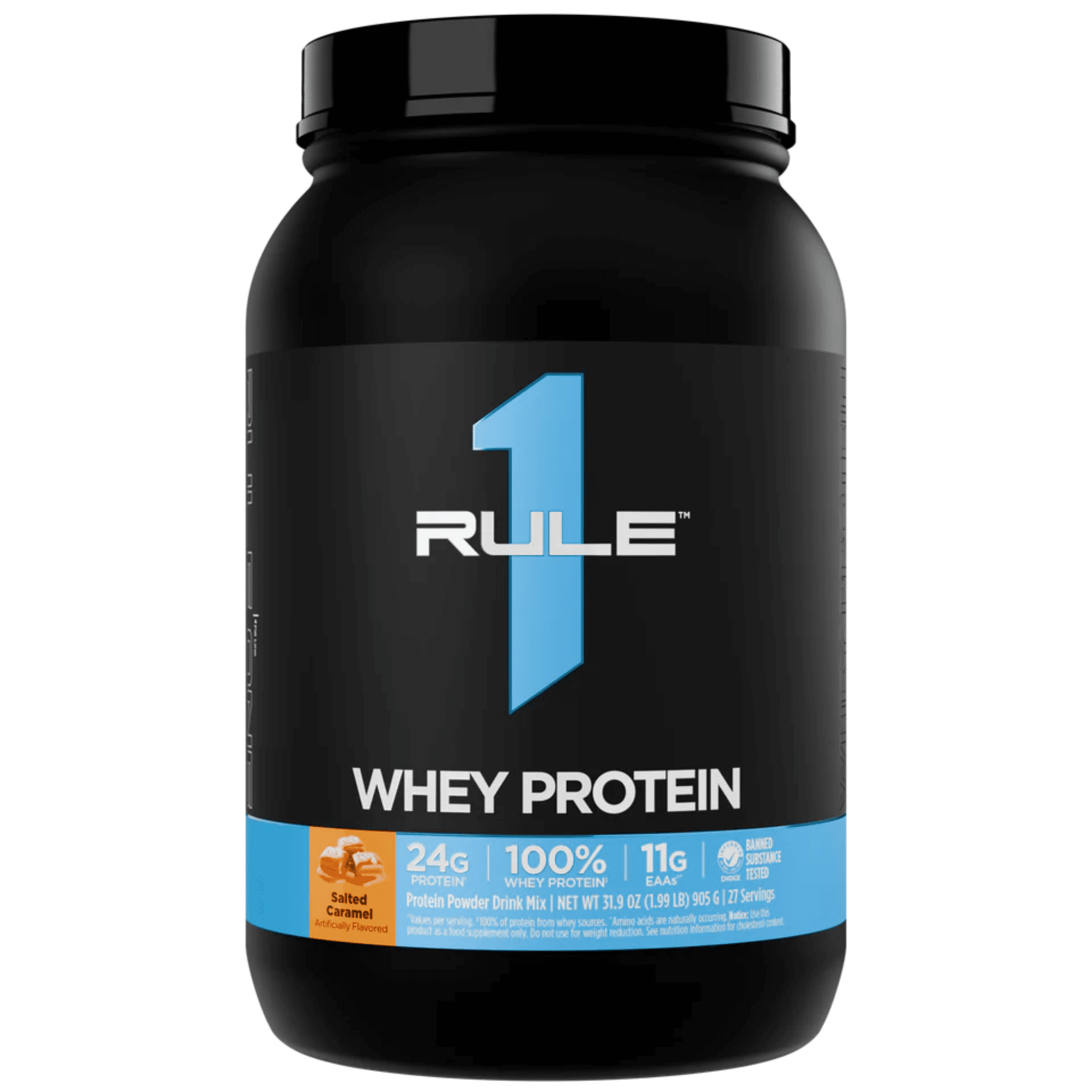
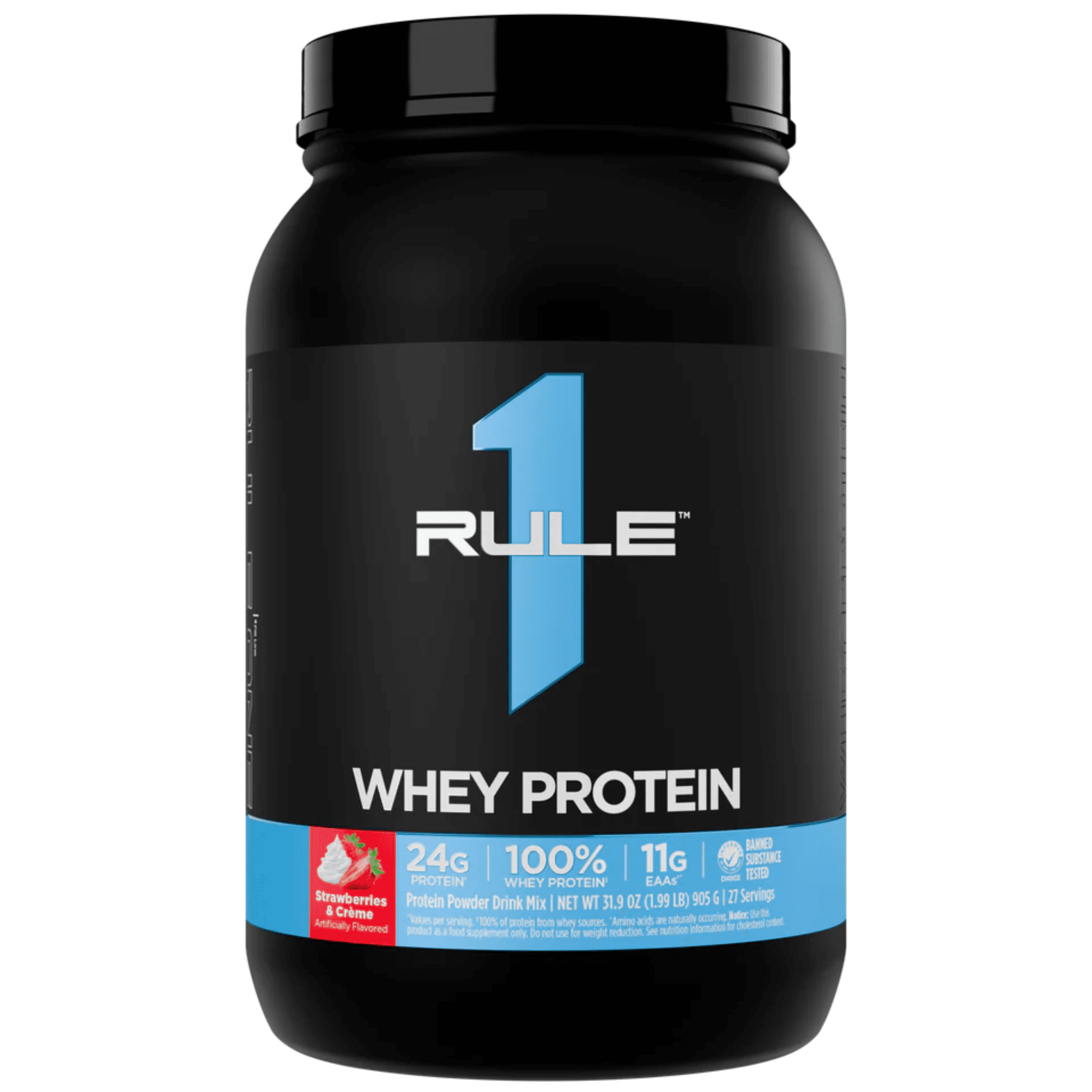
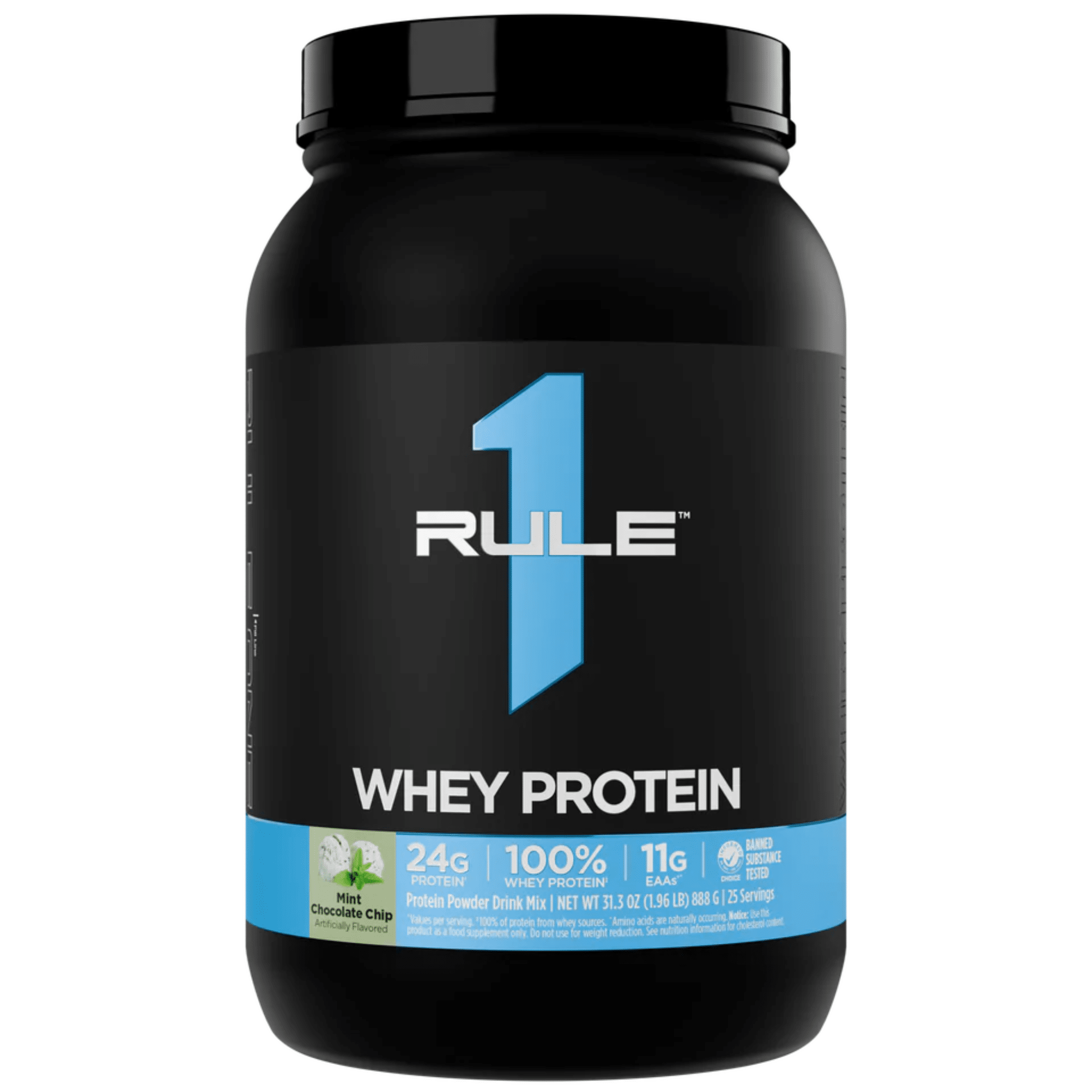
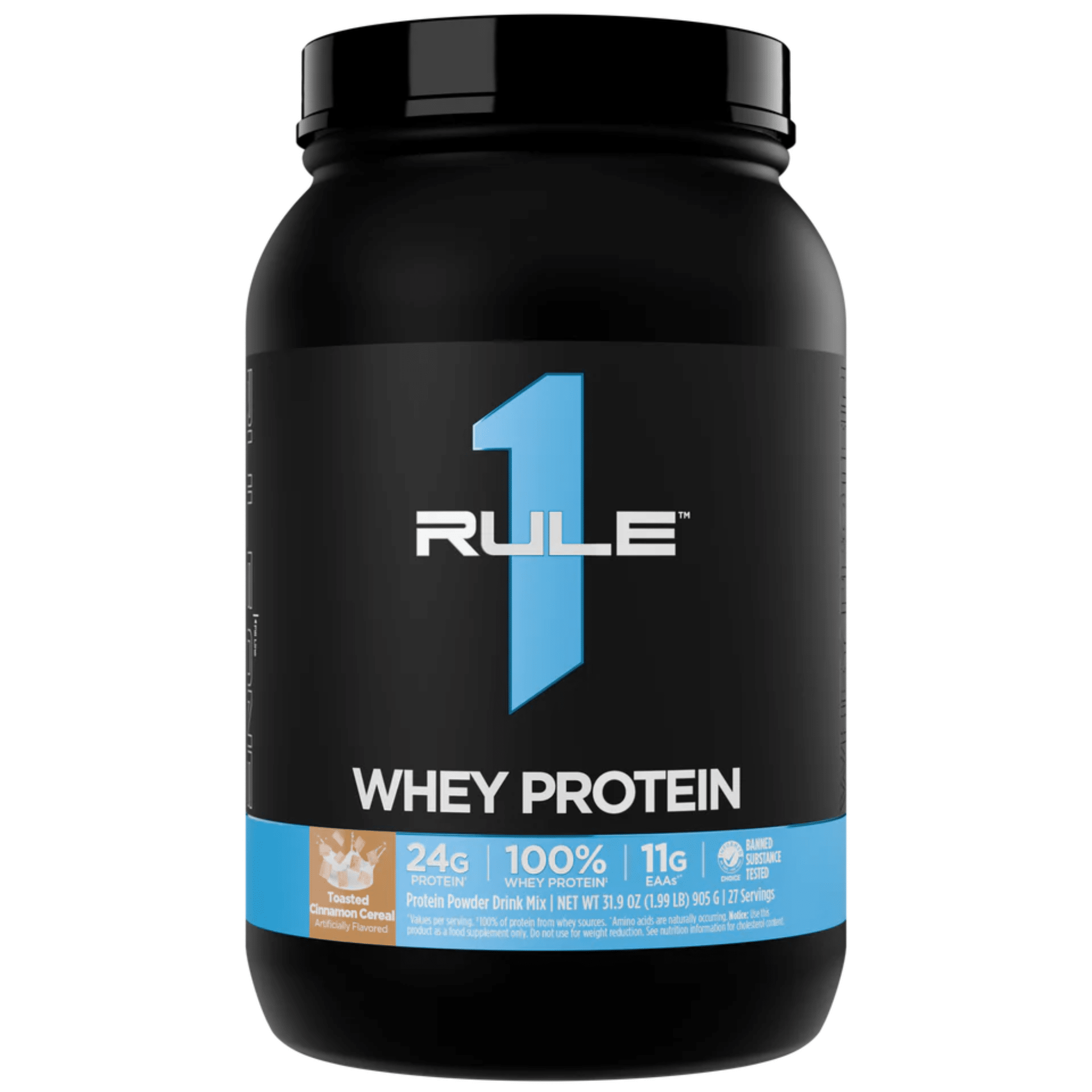
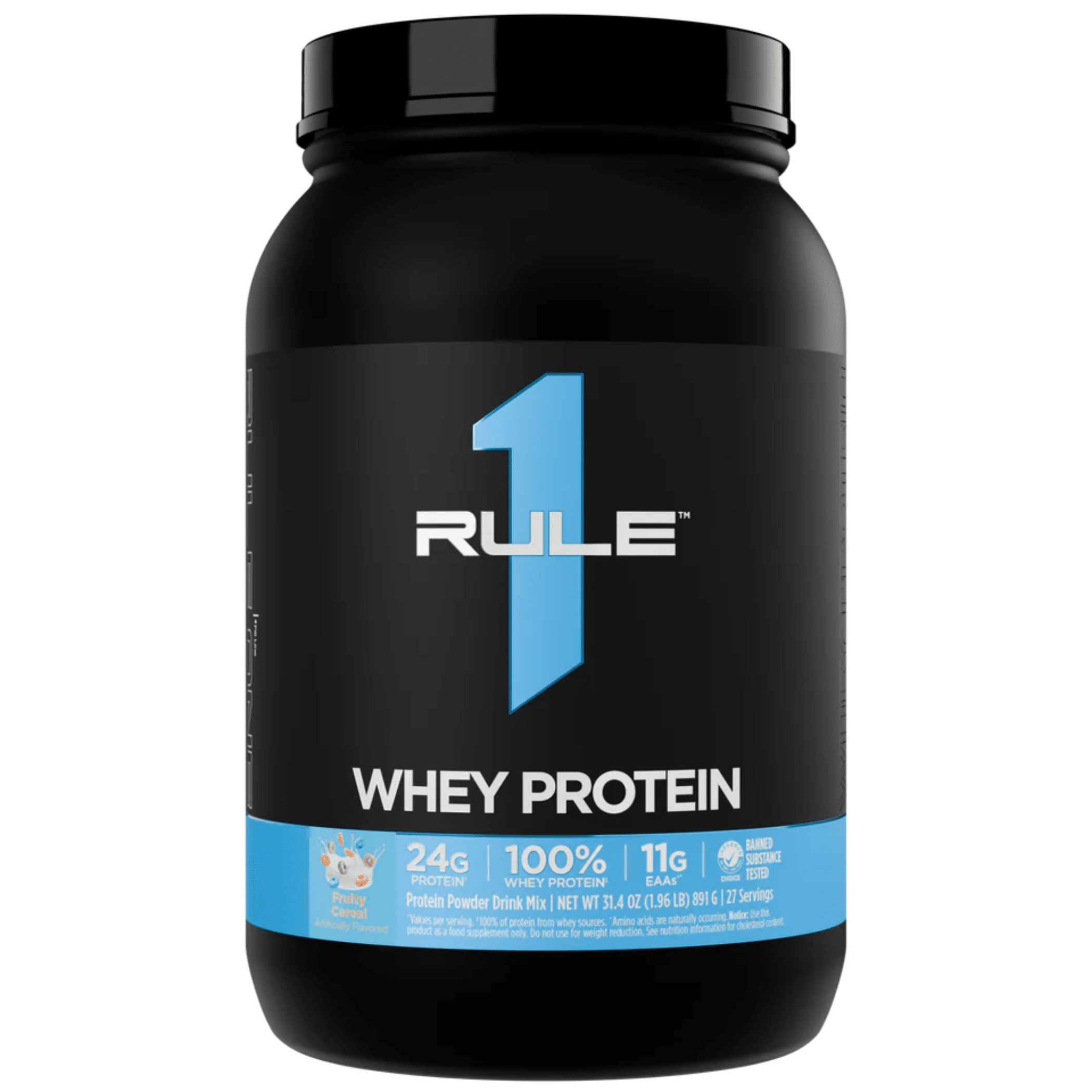
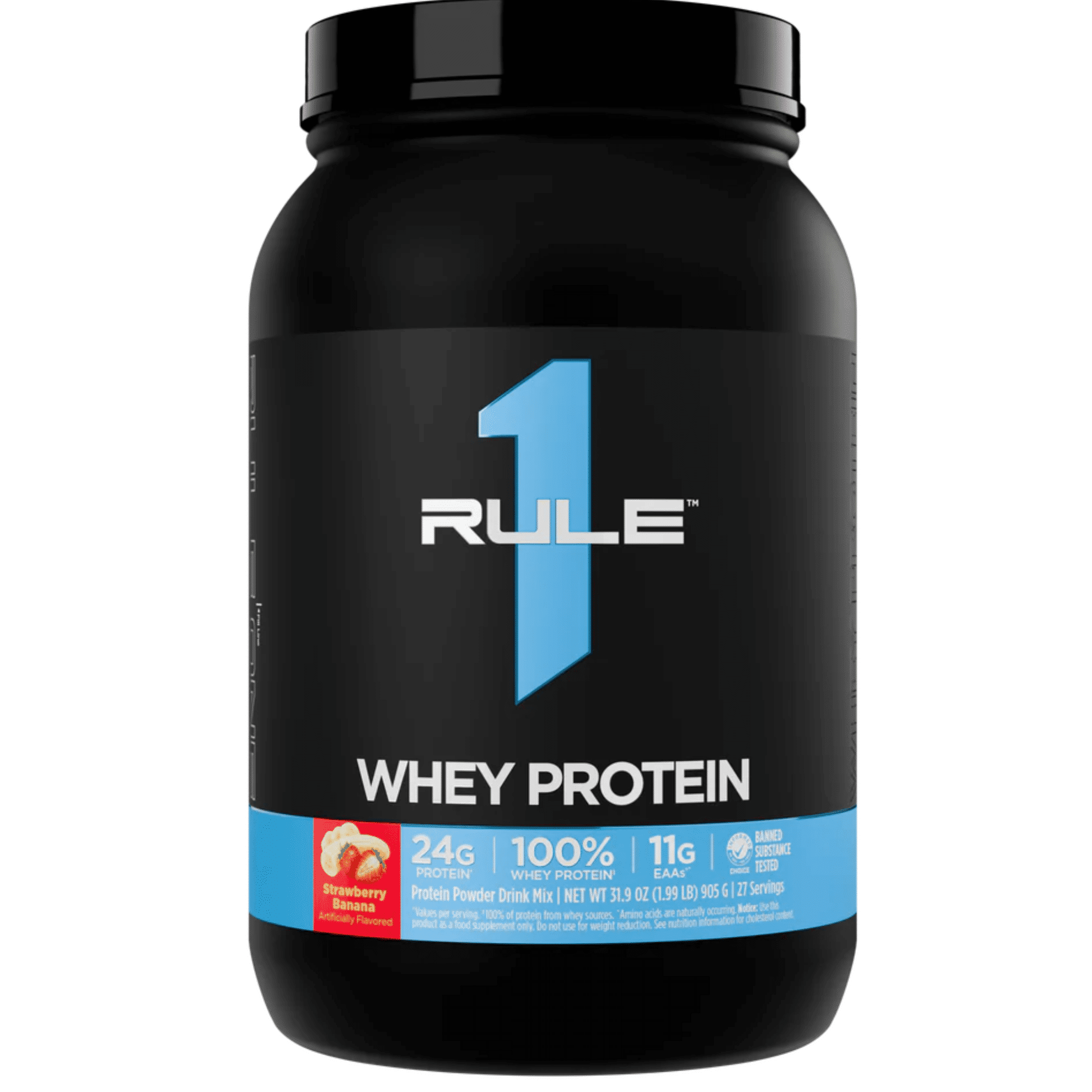
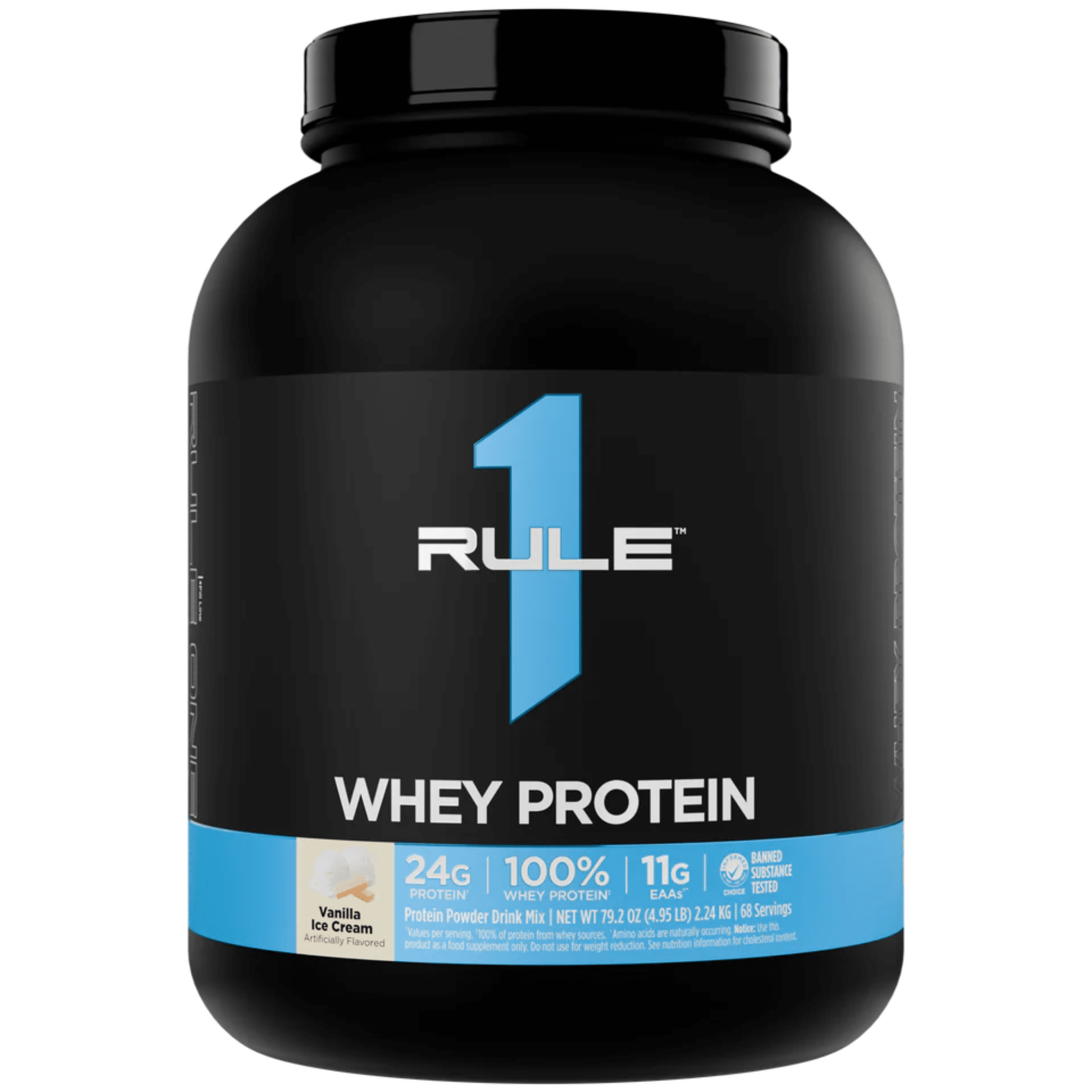
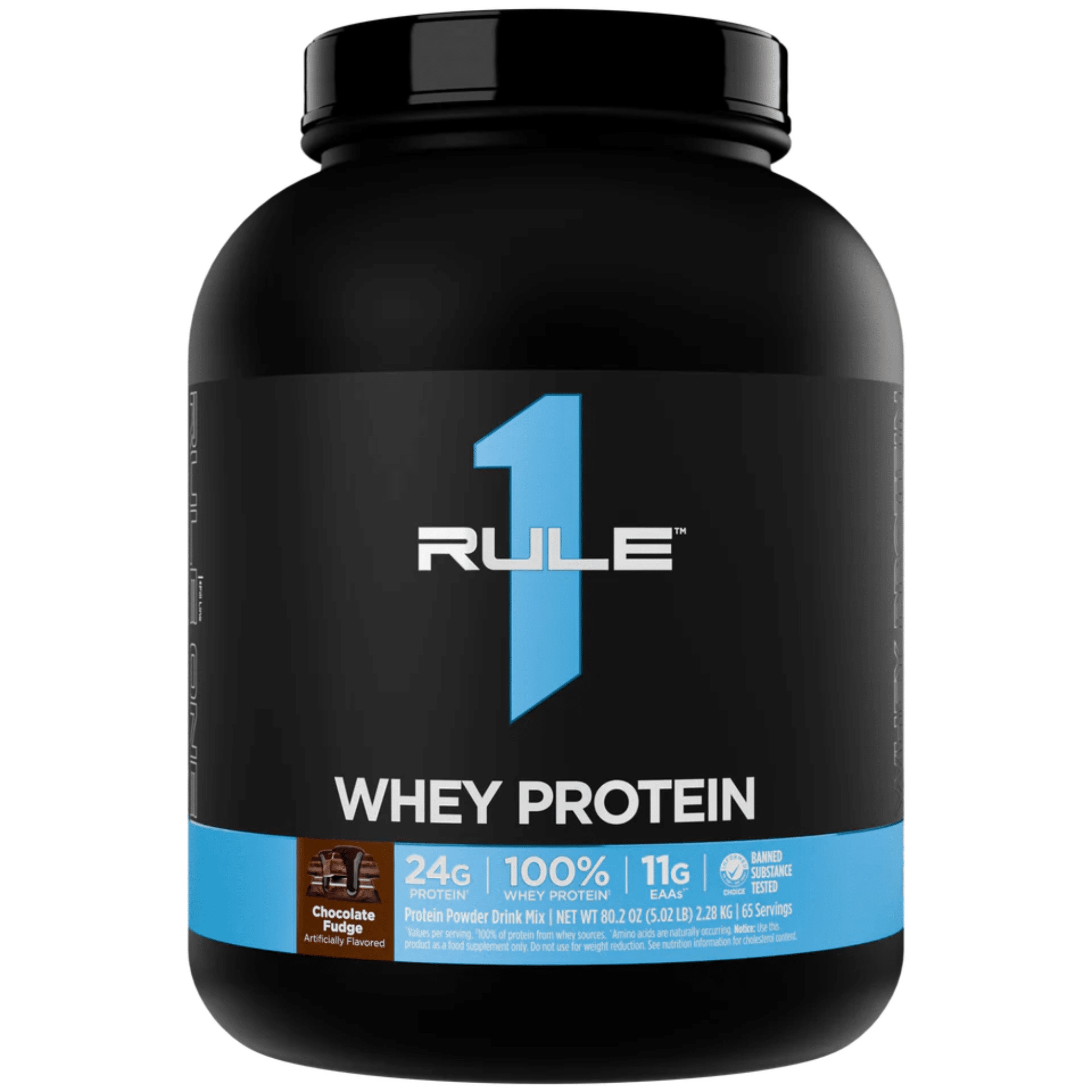
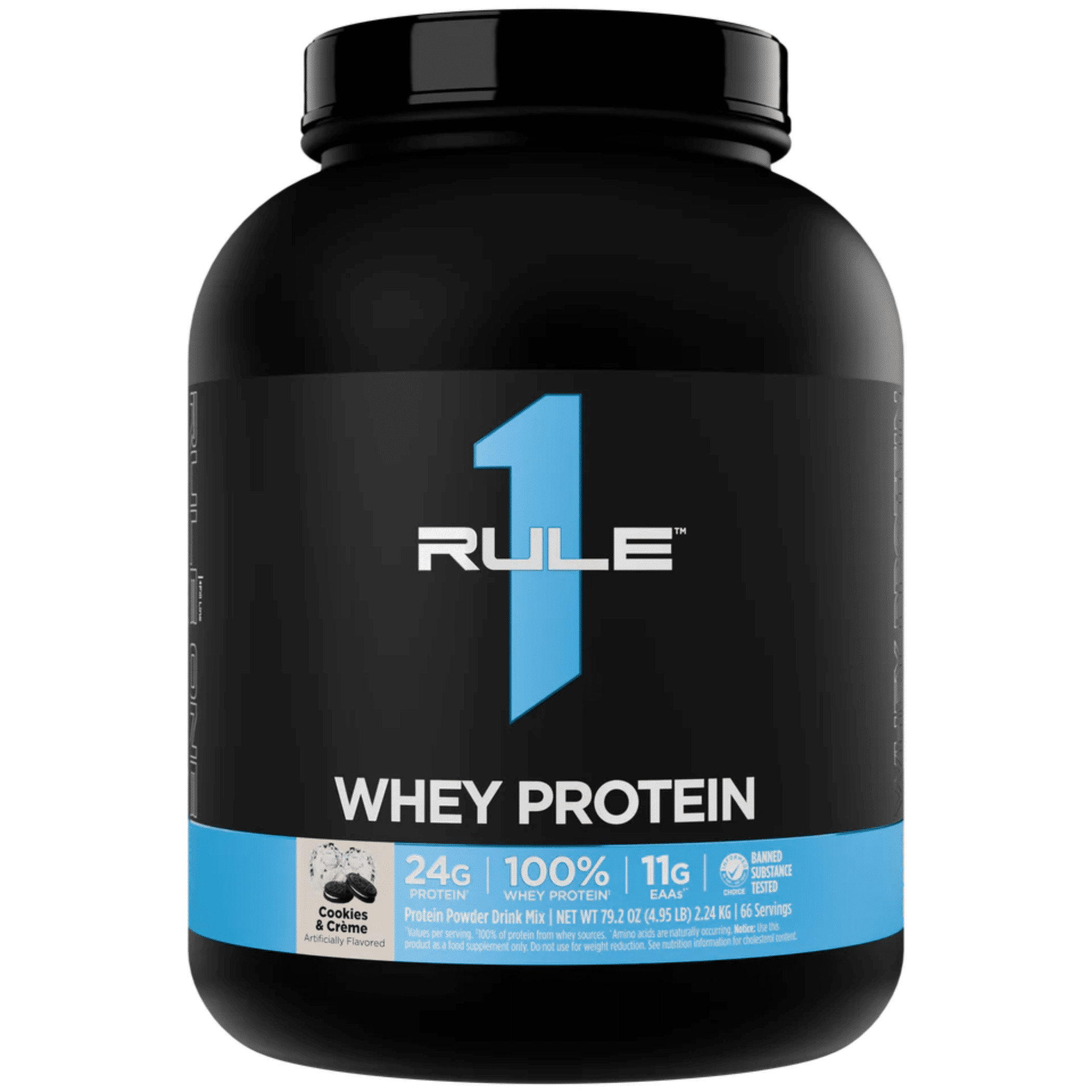
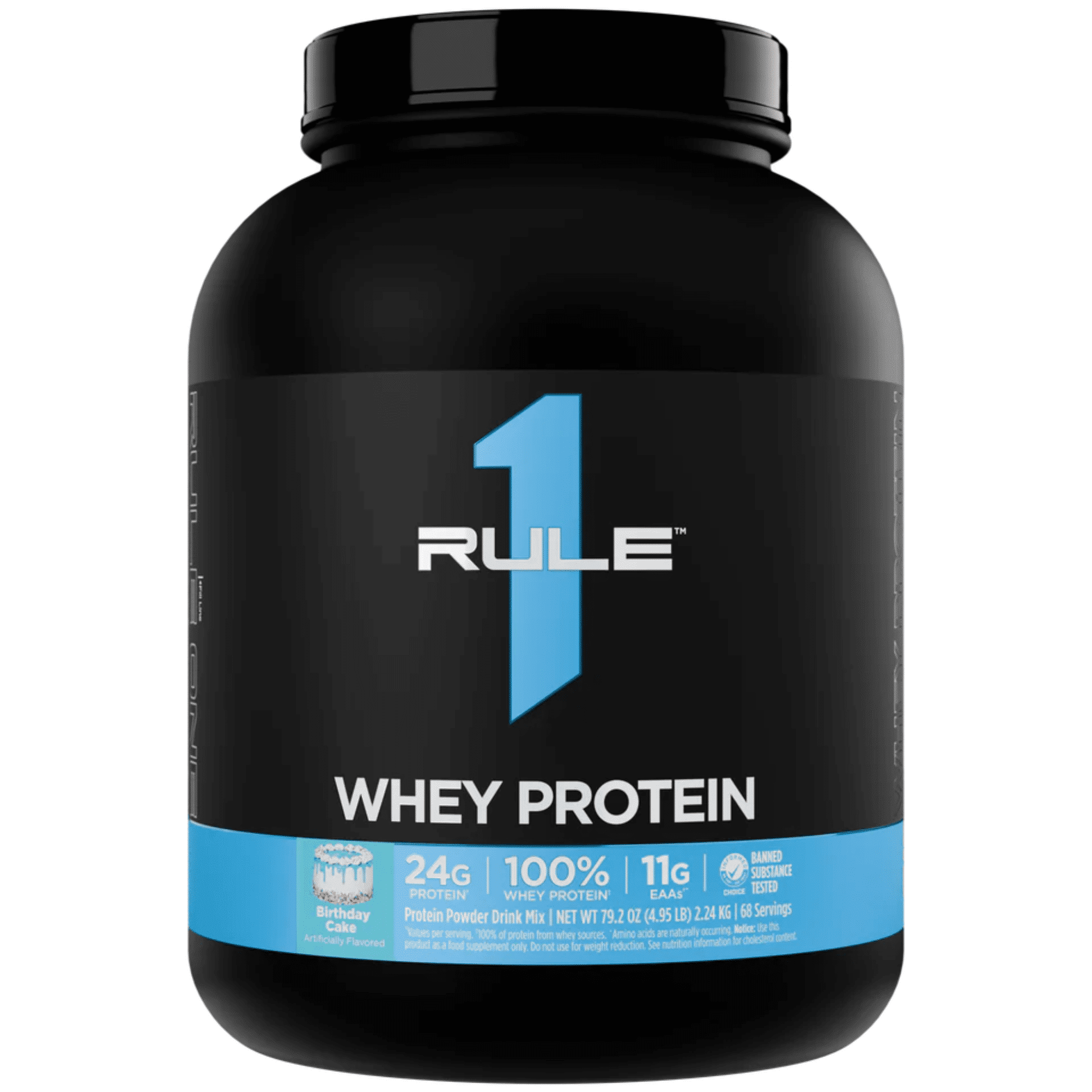
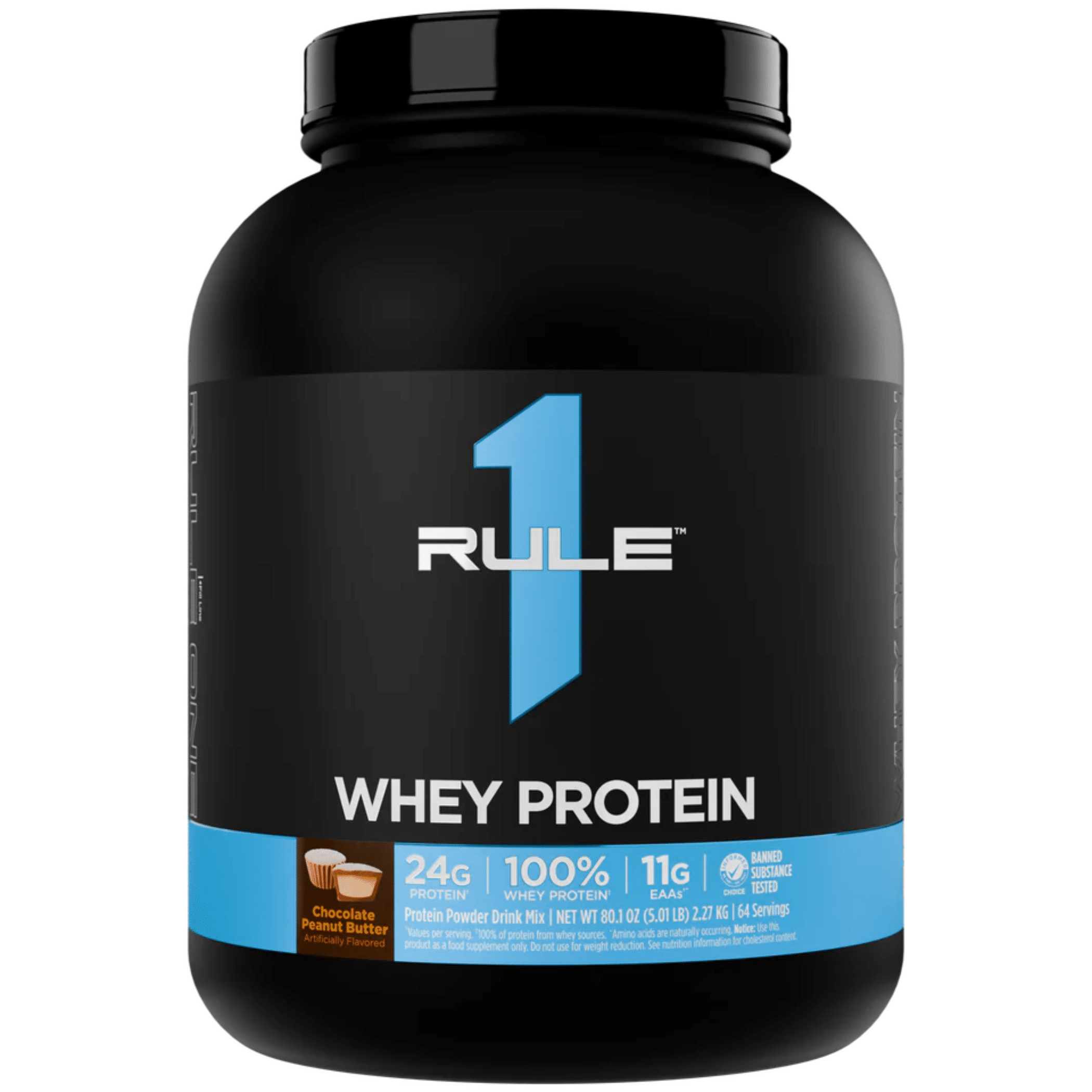
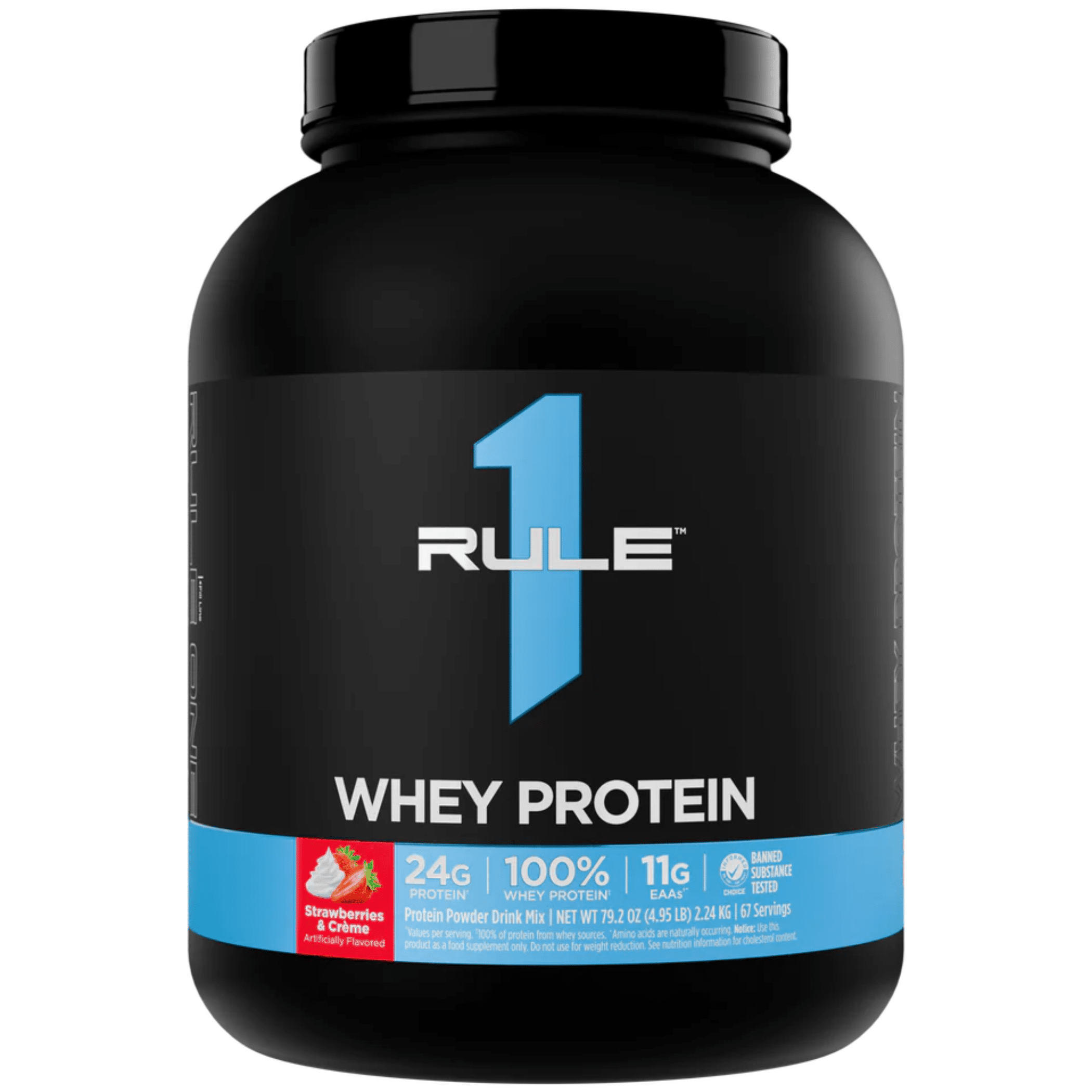
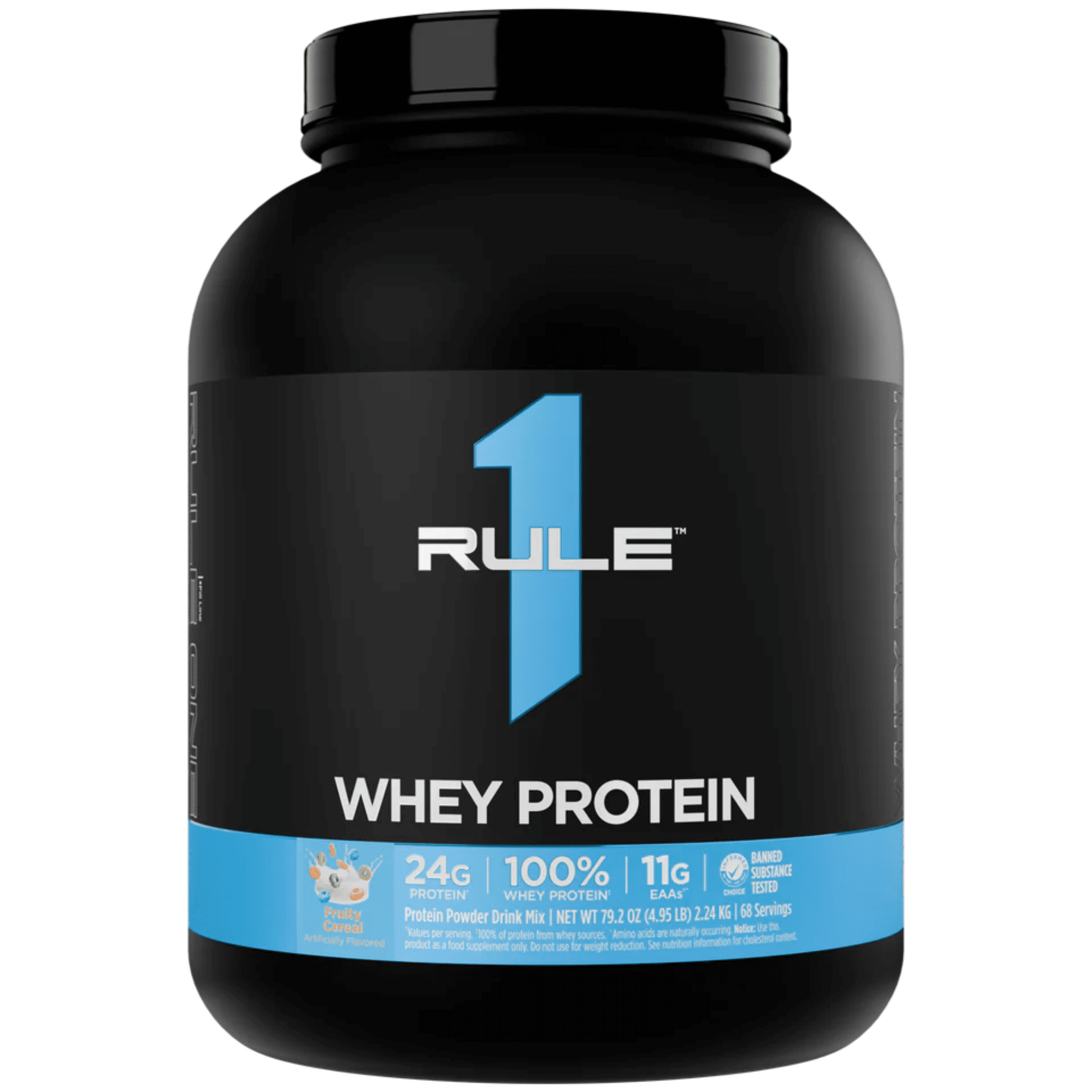
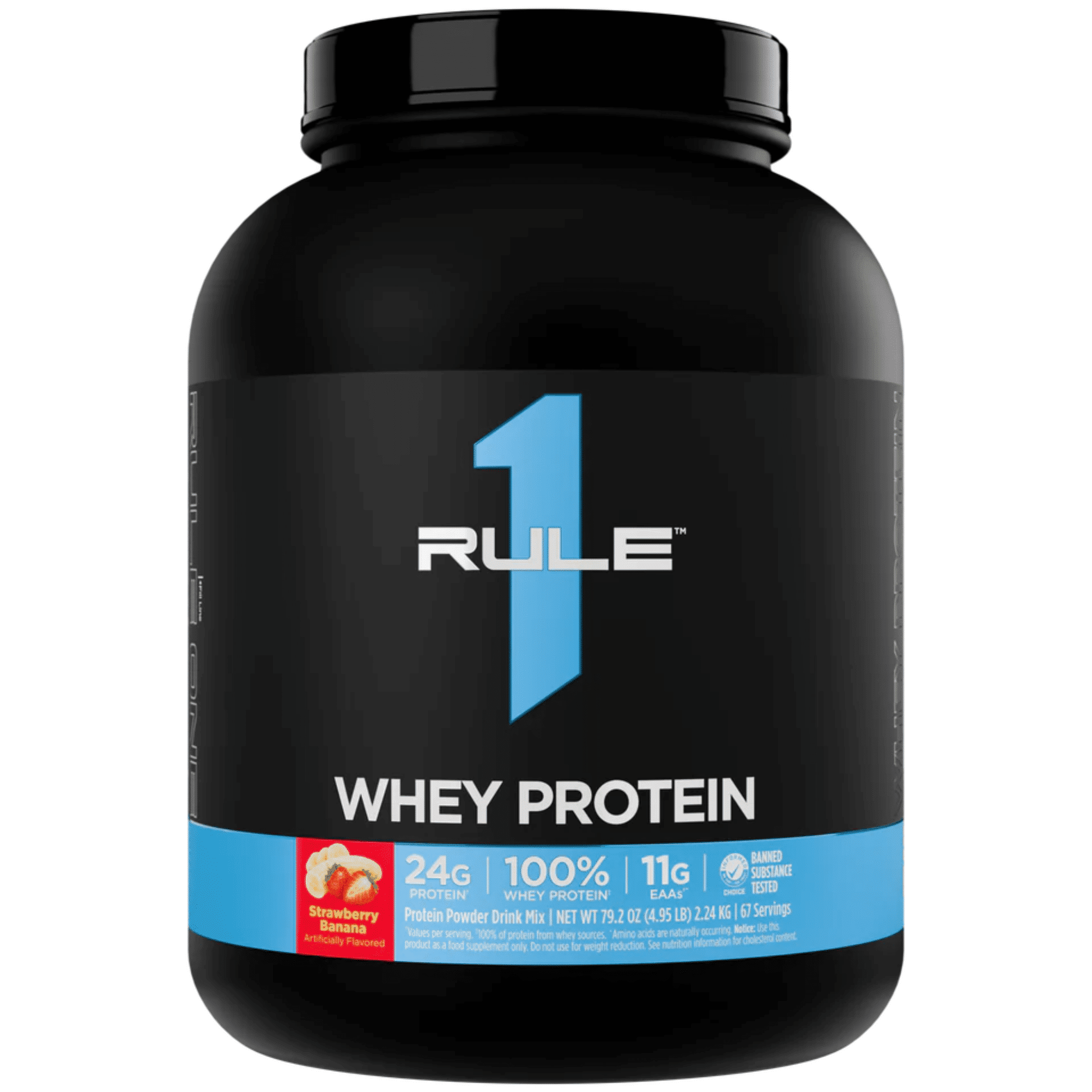
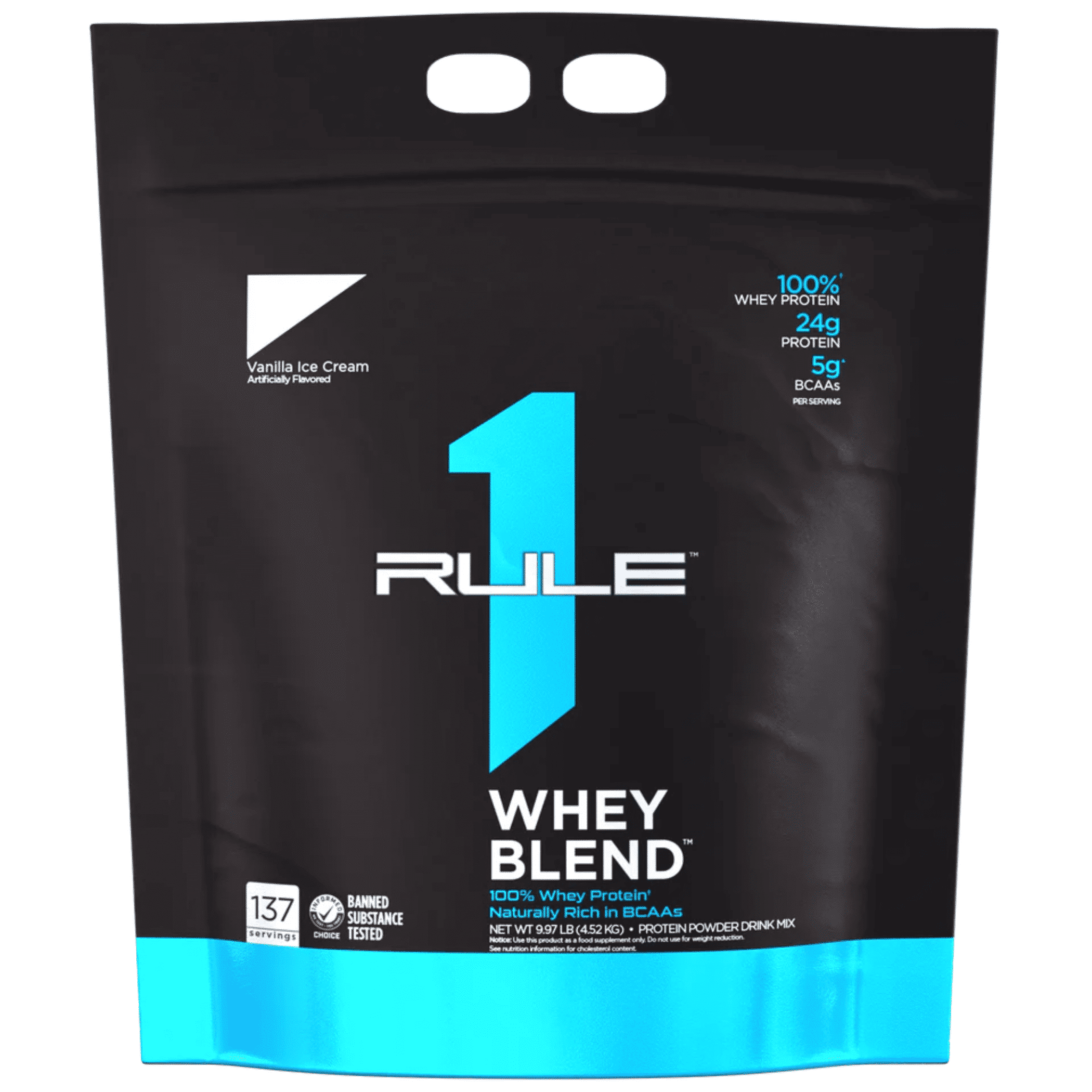
Rule One R1 Whey Blend
A whey protein blend led by isolate, Informed Choice certified and fully disclosed.
Why third-party certification matters more than most label claims
This is the reason to choose Rule One over a cheaper protein, and it is worth understanding properly.
Informed Choice means every batch is tested for banned substances by an independent laboratory, and the results are published. That is a materially different thing from a brand saying its products are clean.
Why it matters: supplement contamination is a genuine and documented problem. Products made in facilities that also handle prohibited compounds can pick up trace amounts, and a tested athlete is responsible for whatever is in their system regardless of how it got there. Strict liability is the standard in most federations.
If you are tested in any capacity — competitive sport, collegiate athletics, military, law enforcement, or certain professions — batch-tested certification is not a nice-to-have. It is the difference between a supplement you can use and one you cannot.
If you are not tested, it still tells you something useful about how seriously a brand takes quality control.
What "blend" means, and how to judge it
Whey comes in grades, and a blend combines them:
| Isolate | ~90% protein before flavouring | Most fat and lactose filtered out |
| Concentrate | ~70–80% protein | Cheaper, creamier, more lactose |
| Hydrolysate | Pre-digested peptides | Fastest absorbing, bitter |
An isolate-led blend is a sensible compromise — most of the leanness of an isolate, with concentrate providing better texture and lower cost than a pure isolate would.
Run the arithmetic yourself: divide the protein by the scoop weight. Around 80% and above indicates an isolate-led product; a concentrate-led blend sits nearer 70%; a dessert-style blend can drop to 55%. That single calculation tells you more than the front of any tub.
⚠ Amino spiking, and why disclosure defeats it
Worth knowing, because it is the main way protein products mislead.
Protein content is commonly measured by nitrogen content — and cheap free-form amino acids such as glycine, taurine and glutamine contain nitrogen too. Adding them inflates the measured protein figure without supplying complete usable protein. A nitrogen test cannot tell the difference.
A fully disclosed label can. If the protein sources listed are whey isolate and whey concentrate, and no free-form aminos appear in the ingredients, there is nowhere for spiking to hide.
Informed Choice certification adds a second layer — independent verification rather than trust.
Where it sits in our protein range
| NutraBio 100% Whey Isolate | 25g / 120 cal | ~86% by weight. Leanest |
| Rule One R1 Whey Blend | Isolate-led | Informed Choice certified |
| Rule One R1 Protein | Isolate + hydrolysate | Also Informed Choice |
| Clear Whey Isolate | 20g / 100 cal | Drinks like fruit juice |
Choose Rule One if you need banned-substance certification, or want independent batch testing. Choose a pure isolate if leanness is the priority.
Specs
| Protein | Isolate-led whey blend |
| Certification | Informed Choice — every batch tested |
| Label | Fully disclosed, no proprietary blends |
| ⚠ Allergen | Contains milk |
How to take it
- One scoop in 6 to 8oz of water or milk. Water keeps the calories as labelled; milk adds roughly 100 and improves texture.
- Any time — the post-workout window is measured in hours rather than minutes, so total daily protein matters far more than timing.
- Aim for 1.6 to 2.2g of protein per kg of bodyweight daily, spread across the day.
- Bakes and mixes into oats well.
Who this is for
- Tested athletes — collegiate, professional, military or otherwise. This is the clearest case
- Anyone who wants independent verification rather than a brand's word
- People wanting an isolate-led protein with better texture than a pure isolate
- Anyone building a daily protein habit at a sensible price
Who this is not for
Anyone with a milk allergy. Our plant proteins are the alternative — lactose intolerance is different, and a high-isolate product is often fine.
Anyone wanting the absolute leanest option — a pure isolate is leaner.
Anyone wanting a thick, dessert-style shake — this is a lean blend by design.
Not for anyone under 18 without medical advice.
Stack it with: creatine, which mixes into a shake without affecting taste. If you are tested, choose a certified creatine as well.
Frequently asked questions
What is Informed Choice?
An independent certification programme that batch-tests products for banned substances and publishes the results — verification rather than a brand's own claim.
Do I need certified protein?
If you are tested in any capacity, yes. Athletes are held responsible for whatever is in their system regardless of how it got there, and supplement contamination is a documented problem.
What does "blend" mean?
It combines whey grades — isolate for leanness, concentrate for texture and cost. An isolate-led blend keeps most of the leanness with better mixing and a lower price.
How do I judge a protein powder?
Divide protein by scoop weight. Around 80% and above is isolate-led; near 70% is concentrate-led; a dessert blend can drop to 55%.
What is amino spiking?
Adding cheap free-form amino acids to inflate nitrogen-based protein measurements without supplying complete protein. A fully disclosed label leaves nowhere for it to hide.
When should I take it?
Any time. Total daily protein matters far more than timing — the post-workout window is measured in hours, not minutes.
Can I use it if I'm lactose intolerant?
An isolate-led blend has much of the lactose filtered out and is often well tolerated. A milk allergy is a different matter entirely.
How much protein do I need?
Roughly 1.6 to 2.2g per kilogram of bodyweight daily, spread across the day.