


Description
Vertical Protein
20 grams of protein in a 12oz bottle at 80 calories, with zero sugar, zero carbohydrate and zero fat. It is a clear protein — closer to a fruit drink than a milkshake.
If protein shakes feel too heavy, this is the category that solves it.
What "clear whey" actually is
This confuses people, so here is the explanation.
A normal protein shake is opaque and creamy because whey concentrate and isolate contain residual fats, lactose and undenatured protein structures that scatter light and produce that texture. That is what makes a shake feel like a shake.
Clear whey uses a highly filtered whey isolate processed so it dissolves transparently in water. Strip out the fat, the lactose and the compounds causing cloudiness, and what remains is protein in solution — which looks and drinks like a flavoured water.
That is also why clear proteins are always fruit-flavoured. Chocolate and vanilla need the creamy body an opaque shake provides; they taste wrong in a transparent drink. Fruit flavours suit the format, which is why every clear protein on the market runs berry, citrus and tropical.
Why the macros are all zeros
80 calories from 20 grams of protein is essentially the theoretical floor. Protein contains 4 calories per gram, so 20g is 80 calories — meaning every calorie in this bottle comes from protein and nothing else.
That is only possible with a highly refined isolate. Zero sugar, zero carbohydrate, zero fat is not a marketing flourish here; it is the arithmetic of the filtration.
For comparison, a typical opaque RTD protein shake runs 140 to 170 calories for a similar protein content, because of the fat and carbohydrate that come with it.
The relaunch: naturally sweetened
Vertical relaunched in 2026 with the same protein and calories but a changed sweetener system. The current formula uses monk fruit, with no artificial sweeteners, colours or flavours.
That is a meaningful change in this category. Clear proteins are typically sucralose-sweetened, and monk fruit avoids that without the bitterness stevia can bring — which matters more in a transparent drink where there is nowhere for an aftertaste to hide.
Specs (per 12oz bottle)
| Protein | 20g, whey isolate |
| Calories | 80 |
| Sugar | 0g |
| Carbohydrate | 0g |
| Fat | 0g |
| Sweetener | Monk fruit (current formula) |
| Artificial colours / flavours / sweeteners | None (current formula) |
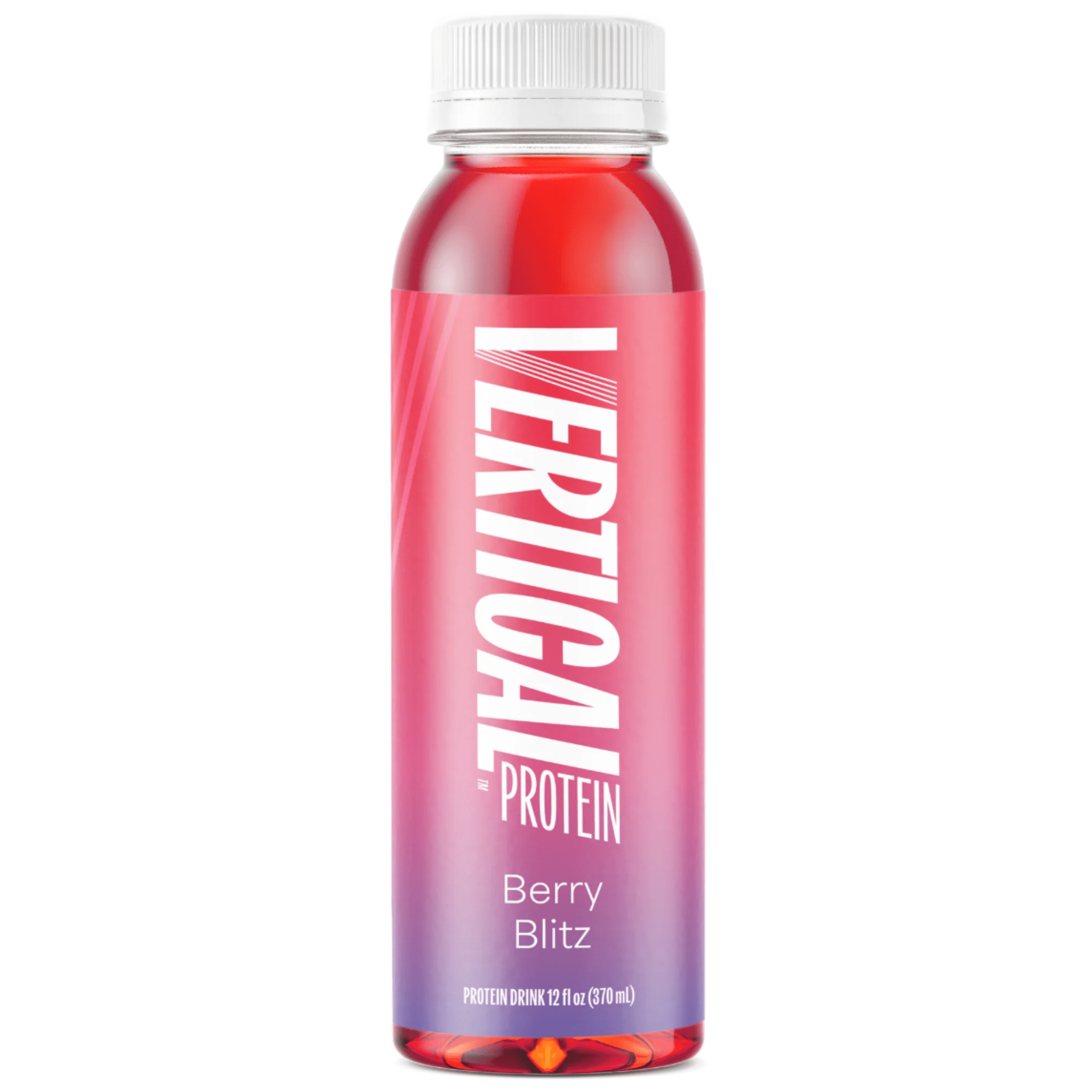
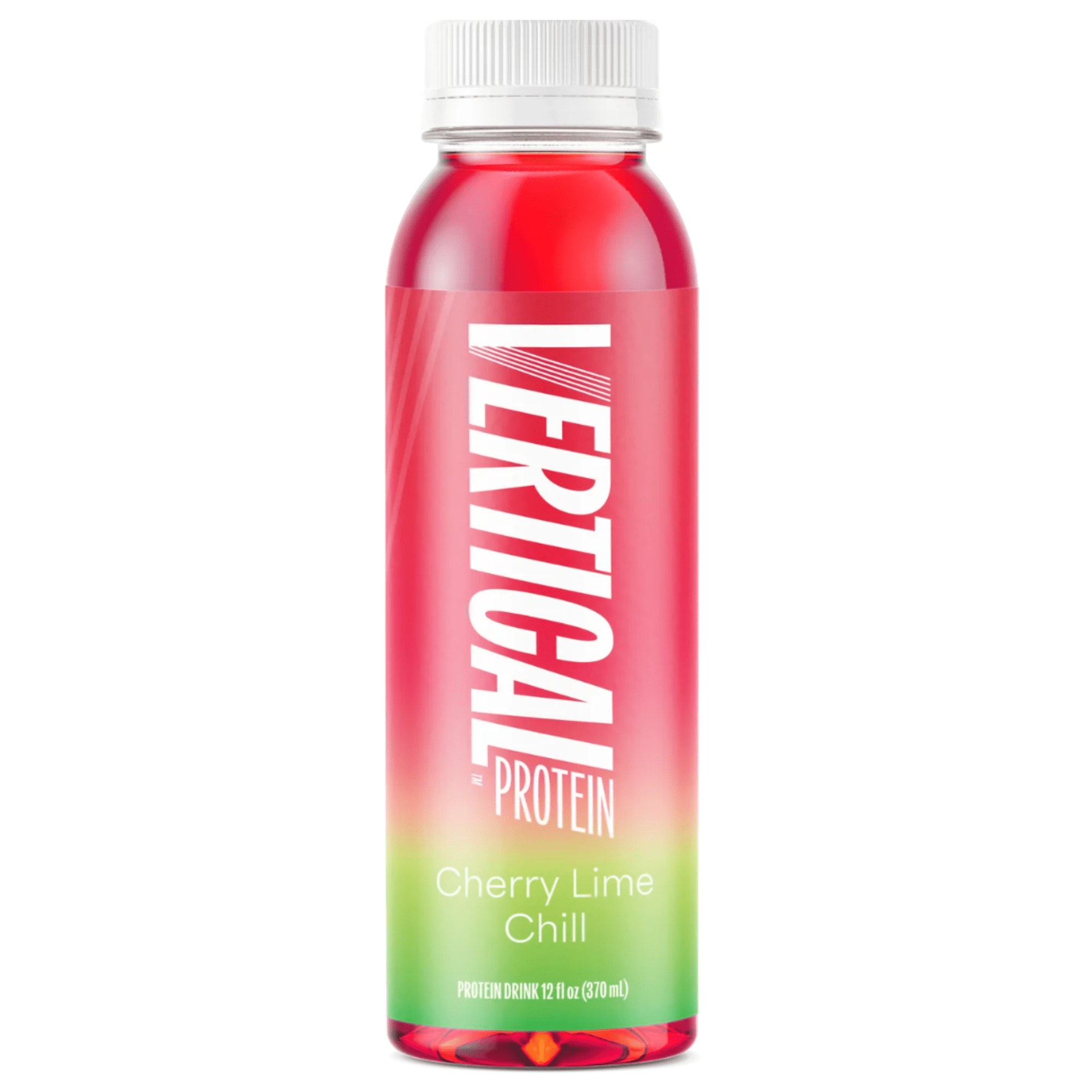
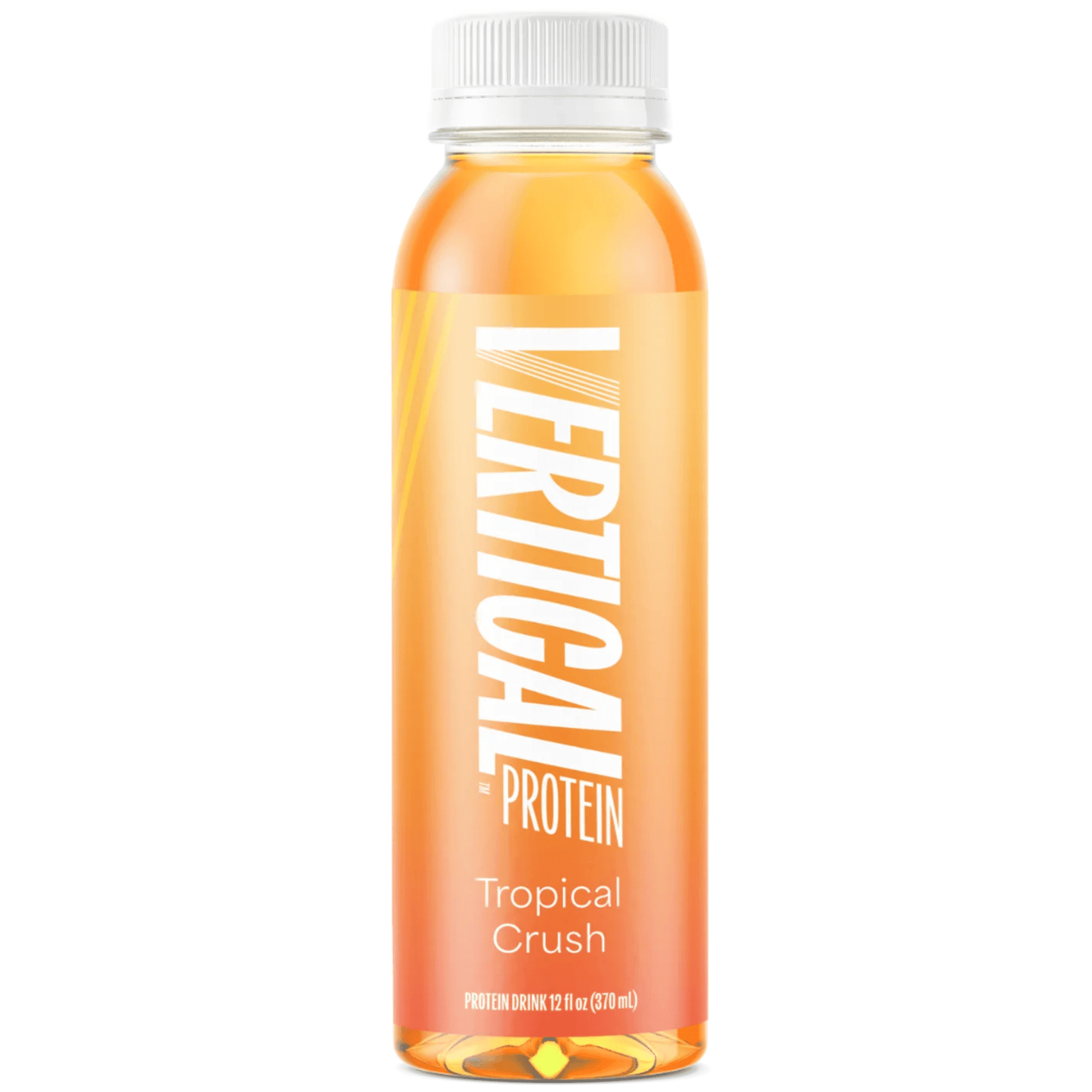
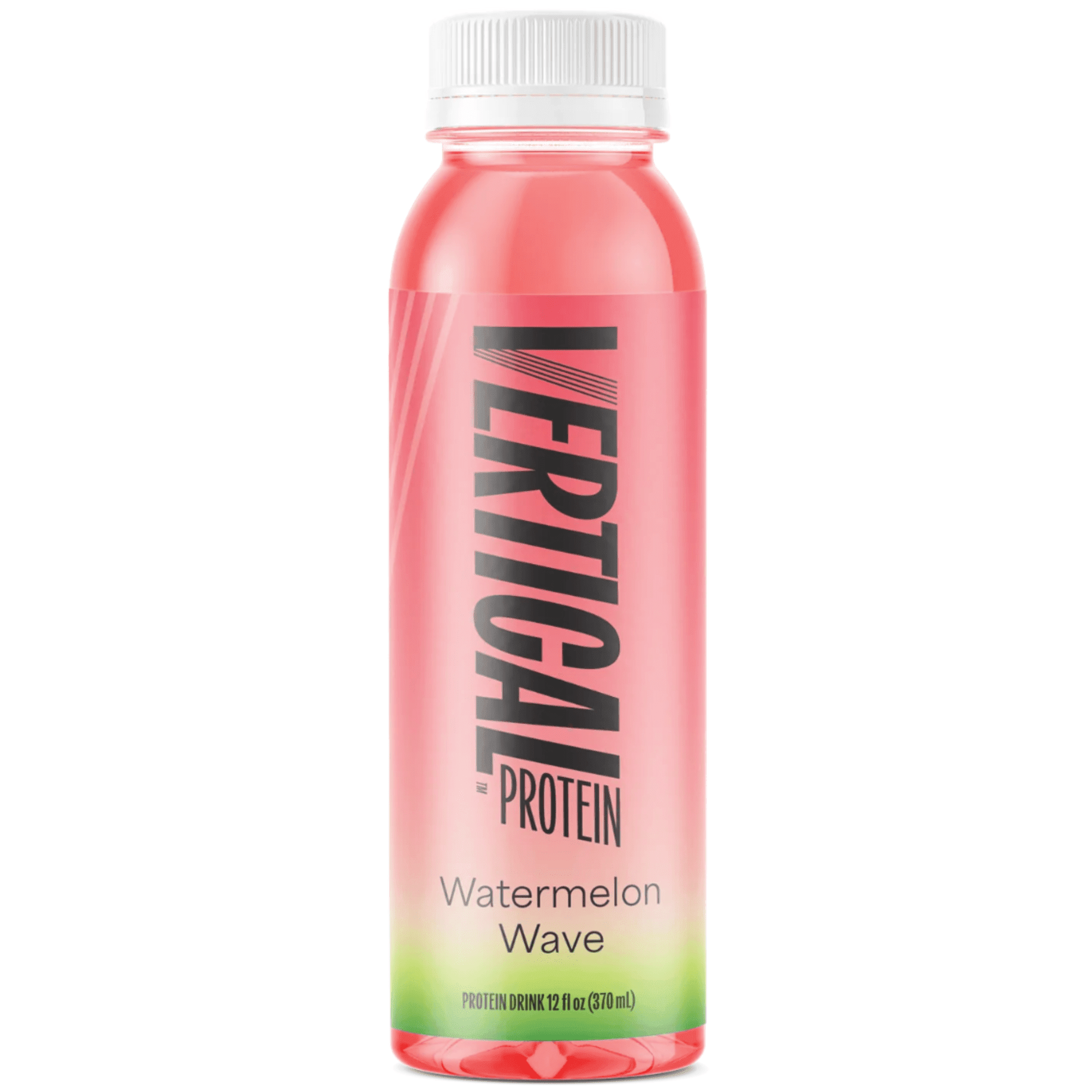
| Flavours | Berry Blitz, Cherry Lime, Tropical Crush, Watermelon Wave, Lemon Ice, Razz Lemonade |
Where it fits
- After training when you cannot face a shake. The most common reason people buy clear protein — a creamy shake after hard conditioning is genuinely unappealing to a lot of people
- In summer, where a cold fruit drink beats a milkshake outright
- When cutting. 20g of protein for 80 calories is about as efficient as protein gets
- As a soda replacement that happens to deliver 20g of protein
- Travel and work, since there is no shaker, no powder and no mixing
- Combat sports and endurance athletes, where heavy dairy shakes sit badly around training
Honest notes
20g is slightly below a full protein powder serving. Most isolates deliver 24 to 25g. If you are counting precisely, note the difference.
It is not filling. The properties that make it light also mean it does not satisfy hunger the way a thick shake does. If you use protein to manage appetite, casein does that job far better — the gel it forms in the stomach is the entire mechanism.
Ready-to-drink costs more per gram of protein than powder. Always. You are paying for water, a bottle and convenience. That is a fair trade if convenience is what you need, and a poor one if you are just buying protein.
Who this is for
- Anyone who dislikes creamy protein shakes — this is the fix, not a compromise
- People cutting who want maximum protein per calorie
- Anyone lactose sensitive, since a highly filtered isolate removes essentially all of it
- People who want no artificial sweeteners in a ready-to-drink
- Anyone who wants protein without carrying a shaker
Who this is not for
If cost per gram of protein matters, buy powder. NutraBio Isolate gives you 25g for a fraction of the price and mixes clear-ish in water if that is the appeal.
If you want a protein that keeps you full, this is the wrong tool. Casein or a blend.
If you want a meal replacement, 80 calories is not one.
Contains milk. Not vegan.
Stack it with: a carbohydrate if you are using it after hard training and need to replenish glycogen — this supplies protein only.
Frequently asked questions
What is clear whey protein?
A highly filtered whey isolate processed to dissolve transparently. Removing the fat, lactose and light-scattering compounds leaves protein in solution, which drinks like flavoured water rather than a milkshake.
Why are clear proteins always fruit flavoured?
Chocolate and vanilla rely on the creamy body of an opaque shake and taste wrong in a transparent drink. Fruit flavours suit the format.
How is it only 80 calories?
Protein contains 4 calories per gram, so 20g of protein is 80 calories. Every calorie in the bottle comes from protein, with no fat or carbohydrate at all — only possible with a highly refined isolate.
Does it contain artificial sweeteners?
The current formula does not. Vertical relaunched in 2026 using monk fruit, with no artificial sweeteners, colours or flavours.
Is it good for lactose intolerance?
A highly filtered isolate removes essentially all lactose, so it suits most people who react to dairy protein.
Will it fill me up?
No, and that is the trade for being light. If you want protein that manages appetite, casein is far better suited.
Is it worth it versus powder?
Ready-to-drink always costs more per gram. You are paying for convenience and format. Worth it if that is what you need; not if you simply want protein.
How much protein compared to a scoop?
20g, slightly under the 24 to 25g most isolate powders deliver per scoop.
You may also like
Recently viewed
- Opens in a new window.