


Description
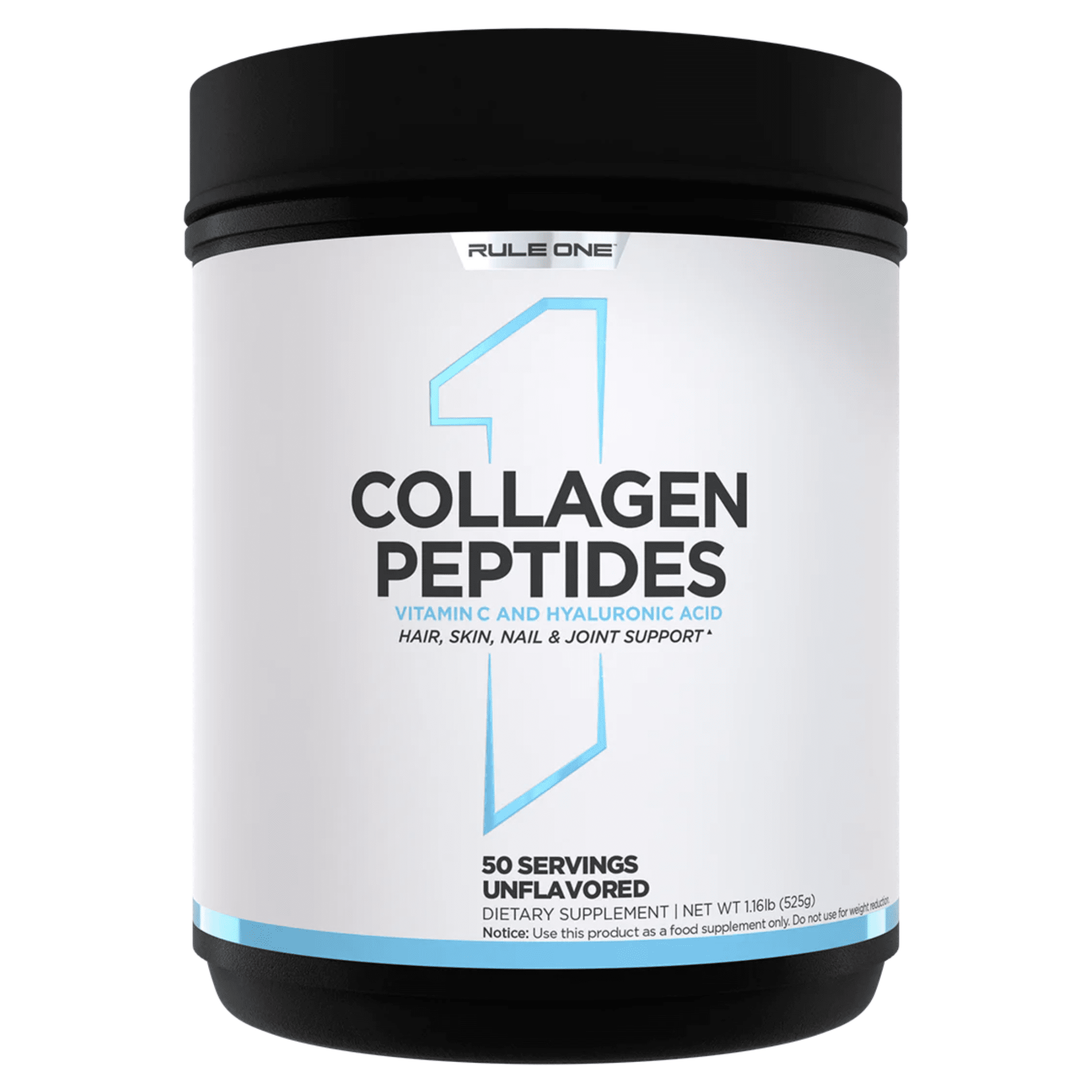
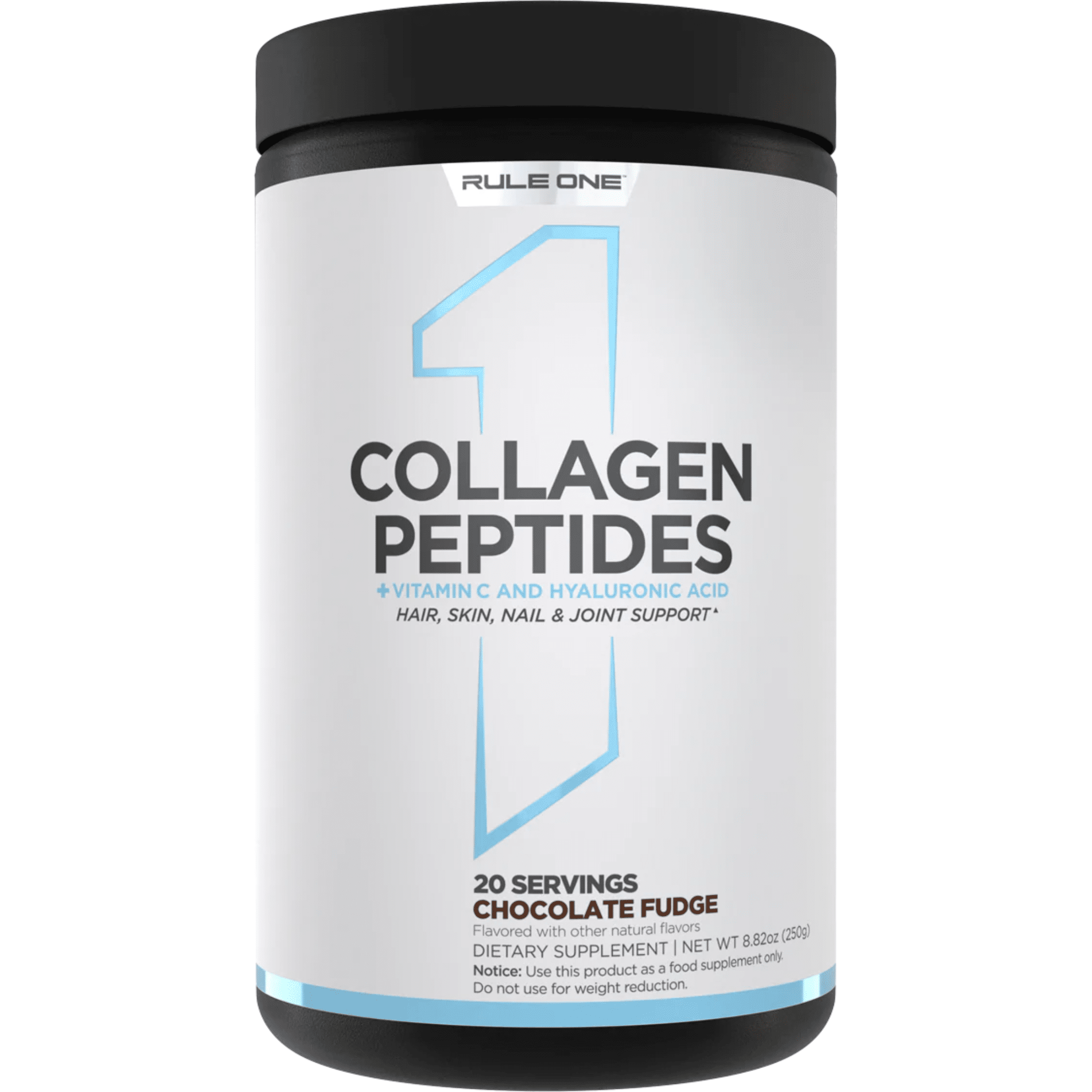
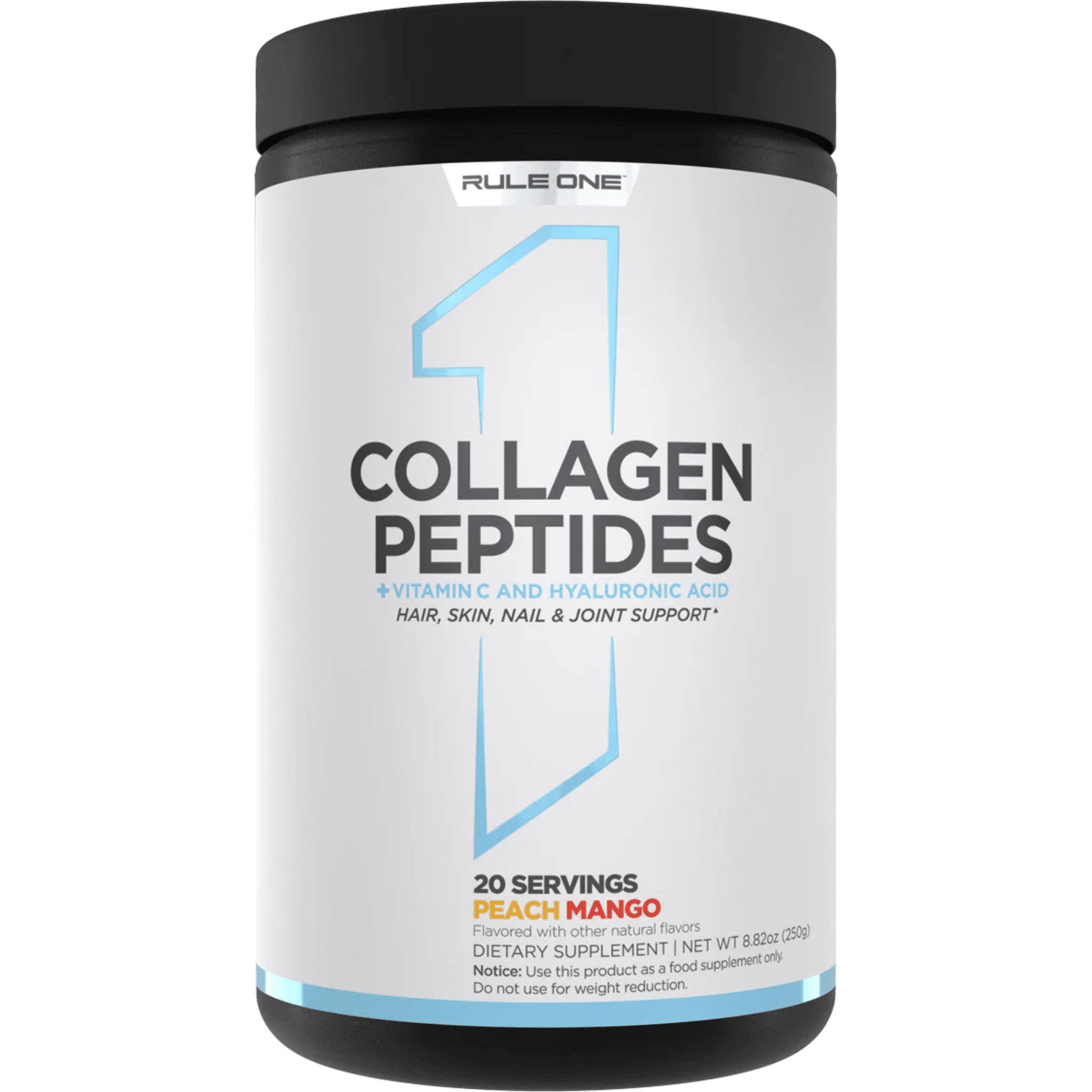
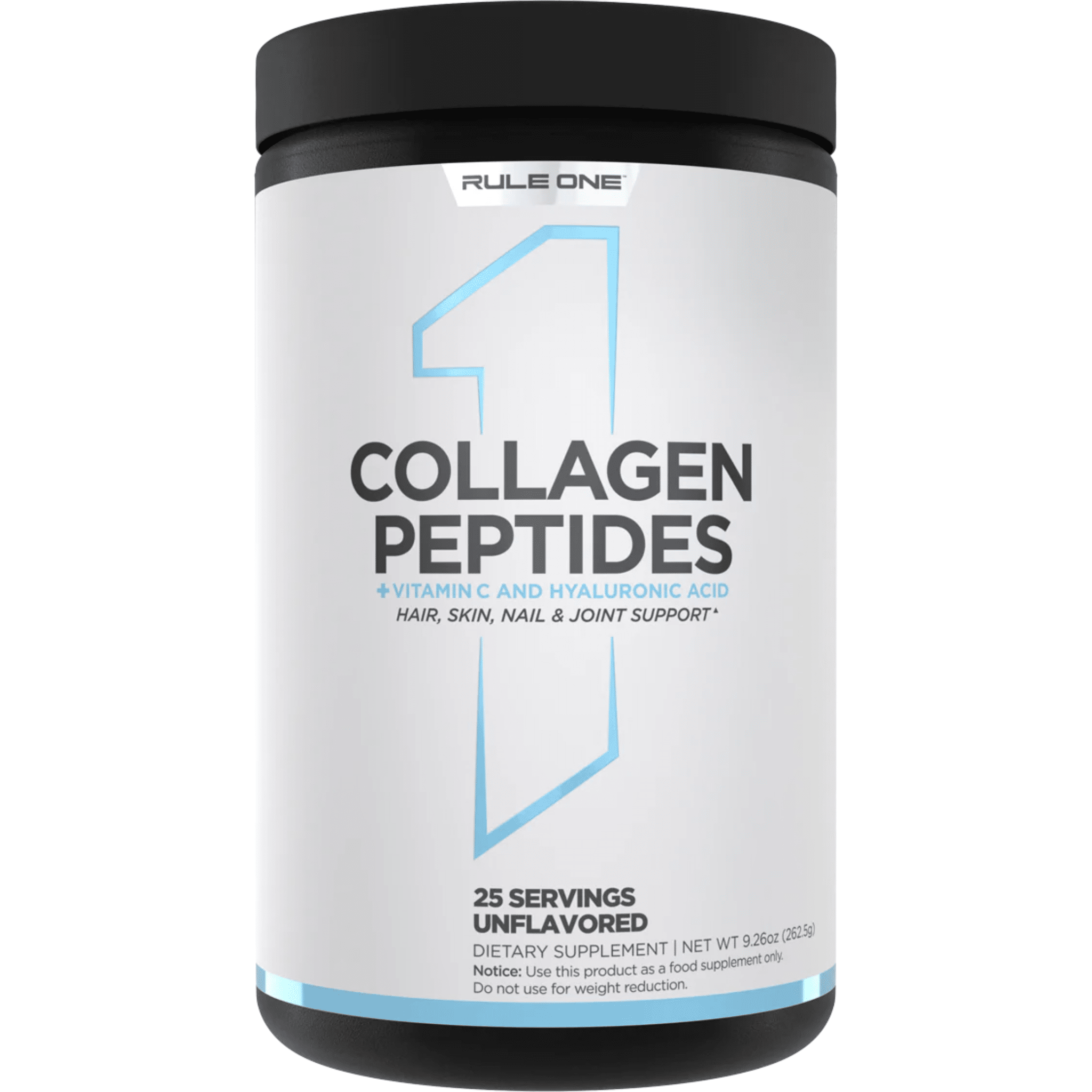
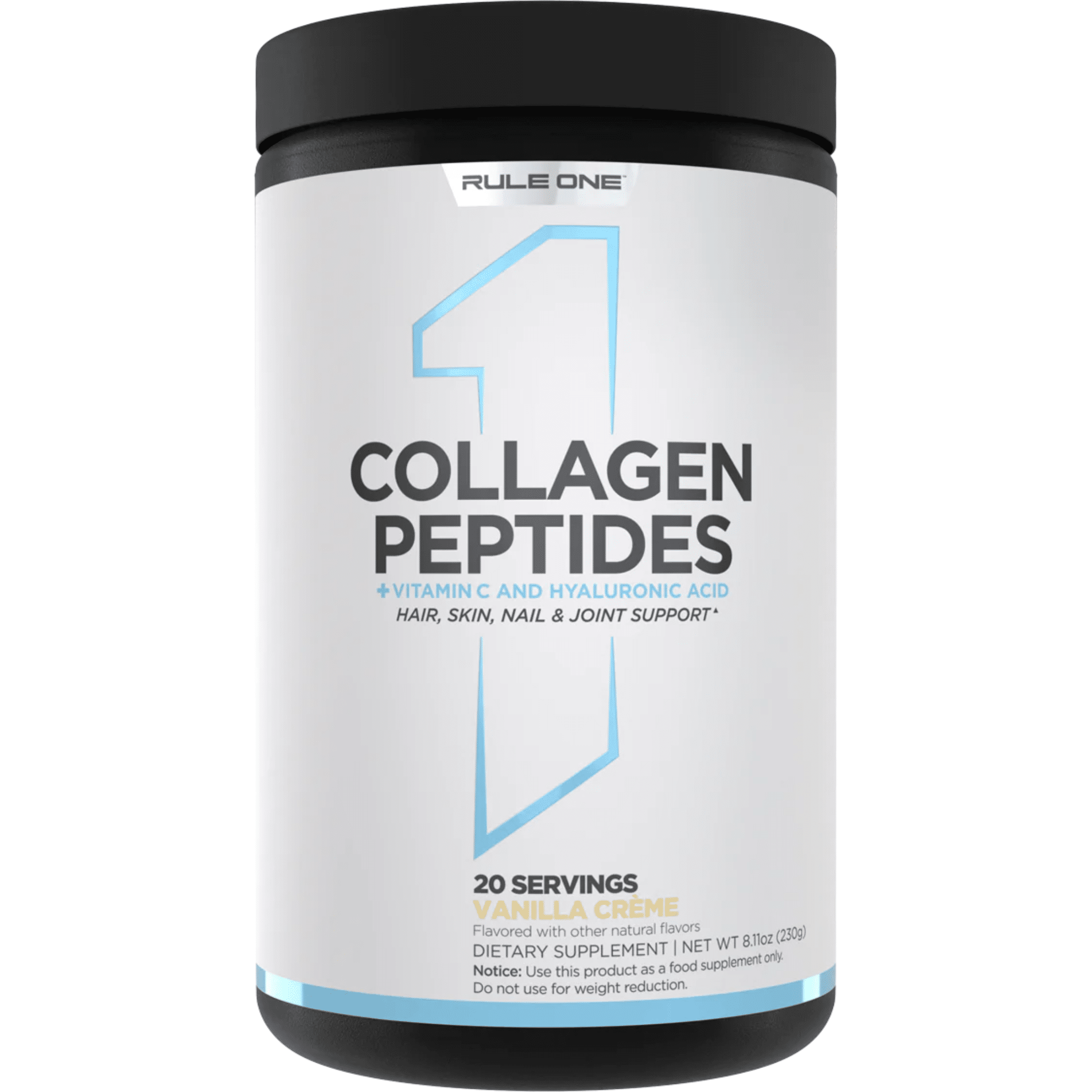
Rule One Collagen Peptides
Hydrolysed collagen peptides — broken into short chains that dissolve readily in hot or cold liquid.
How collagen actually works — the honest version
Collagen is sold with a very intuitive story: eat collagen, get collagen in your skin and joints. That is not how it works, and the real explanation is more interesting.
Collagen is a protein. Like every protein you eat, digestion breaks it into amino acids and short peptides. Those do not travel to your knees and reassemble as cartilage.
So why does the research show effects at all? Two plausible reasons:
- An unusual amino acid profile. Collagen is exceptionally rich in glycine, proline and hydroxyproline — amino acids that are relatively scarce in ordinary dietary protein but used heavily in building connective tissue
- Signalling peptides. Certain small collagen peptides do appear to survive digestion intact, and research suggests they may act as a signal to fibroblasts — the cells that produce collagen — effectively telling them to make more
That second mechanism is why hydrolysed collagen is used rather than gelatin: hydrolysis breaks it into the specific peptide sizes the research has focused on.
⚠ Vitamin C is not optional
Vitamin C is a required cofactor for the enzymes that hydroxylate proline and lysine during collagen synthesis. Without adequate vitamin C, collagen synthesis fails — which is precisely what scurvy is.
That is settled biochemistry rather than a marketing pairing. Take collagen with a vitamin C source, or the raw material has nothing to build with. Our Vitamin C page covers the dosing.
⚠ Collagen is not a complete protein
This needs saying plainly, because collagen is frequently sold in protein tubs.
Collagen lacks tryptophan entirely and is low in several other essential amino acids — including leucine, the one that triggers muscle protein synthesis.
So do not count collagen toward your daily protein target. It will not support muscle growth, and a product marketing it as protein powder is not doing the same job. Use whey isolate for that.
What the evidence supports, ranked honestly
| Skin elasticity and hydration | Strongest. Multiple controlled human trials |
| Joint discomfort | Reasonable, particularly in active people |
| Nail strength | Some evidence, mostly for nails rather than hair |
| Tendon and ligament support | Emerging and interesting — see below |
| Muscle building | Poor. Collagen is an incomplete protein |
The tendon timing protocol
This is the most relevant part for anyone training, and it costs nothing to apply.
Some research has examined collagen taken with vitamin C roughly an hour before loading exercise. The reasoning is that blood flow to tendon and ligament is poor, so a spike in collagen-building amino acids timed to when the tissue is actually being loaded may improve delivery.
The protocol is promising rather than proven — but it is free to follow, so if tendon support is why you are buying this, take it with vitamin C about an hour before you train.
Why hydrolysed matters
Unhydrolysed collagen is gelatin, which gels when cooled and dissolves poorly in cold liquid. Hydrolysed peptides dissolve into anything — cold water, coffee, a shake — without thickening.
That practical difference is what makes daily use realistic, and consistency is what the research protocols depend on.
Specs
| Collagen | Hydrolysed peptides |
| Mixes into | Hot or cold liquid, without gelling |
| Counts as protein? | No — incomplete protein |
Rule One's range is widely Informed Choice certified — check your tub if you are a tested athlete.
How to take it
- Daily and consistently. Trials generally run eight to twelve weeks before measuring outcomes.
- With a vitamin C source — genuinely required rather than optional.
- About an hour before training if tendon and ligament support is the goal.
- Mixes into coffee, water or a shake without thickening.
- Do not count it toward your protein target.
Who this is for
- Anyone focused on skin elasticity and hydration — the best-supported use
- People with joint discomfort, particularly if active
- Anyone rehabilitating a tendon or ligament issue, alongside proper loading
- Older adults, since collagen synthesis declines with age
- Anyone with brittle nails
Who this is not for
Anyone counting it toward their protein intake. No tryptophan, low leucine, and it will not support muscle growth.
Vegans and vegetarians. All collagen is animal-derived; there is no plant collagen.
Anyone with a genuine injury. Persistent pain limiting your training needs a physiotherapist — a supplement will not replace that.
Anyone expecting a quick result — trials run eight to twelve weeks.
Not for anyone under 18 without medical advice.
Stack it with: vitamin C, which is biochemically necessary here rather than a suggestion.
Frequently asked questions
Does eating collagen become collagen in my body?
Not directly. It is digested like any protein. The plausible mechanisms are its unusual amino profile and evidence that some peptides survive digestion and signal fibroblasts to produce more collagen.
Do I need vitamin C with it?
Yes. Vitamin C is a required cofactor for the enzymes that build collagen — without it, synthesis fails. That is settled biochemistry.
Does it count as protein?
No. Collagen lacks tryptophan and is low in leucine, so it will not support muscle growth.
When should I take it?
Any time for skin. About an hour before training, with vitamin C, if tendon support is the goal.
What does hydrolysed mean?
The collagen has been broken into short peptide chains, so it dissolves in cold liquid. Unhydrolysed collagen is gelatin, which gels and mixes poorly.
How long before I see results?
Eight to twelve weeks, in line with most clinical trials.
Is there a vegan collagen?
No. Collagen is animal-derived by definition — products labelled vegan collagen supply nutrients that support your own synthesis instead.
Will it fix my joint pain?
It may help with discomfort. A genuine injury needs a physiotherapist, and masking pain while continuing to load damaged tissue makes things worse.
You may also like
Recently viewed
- Opens in a new window.