


Description
What Is NutraBio Natural Whey Protein Isolate?
NutraBio Natural Whey Protein Isolate is a cold-processed, cross-flow microfiltered whey protein isolate (WPI90) delivering 25 grams of complete protein per serving with 11.7 g of essential amino acids, 5.3 g of naturally occurring BCAAs, and 2.6 g of leucine — at roughly 120 calories with zero fat and zero added sugar. It is flavored with natural flavors and sweetened with stevia leaf extract only: no sucralose, no acesulfame potassium, no artificial colors.
This is NutraBio's answer for people who want isolate-grade protein without the artificial sweetener. Same fully disclosed label, same GMP-certified facility, same batch-level third-party testing — just a naturally sweetened formula.
Cross-Flow Microfiltration: Why the Processing Method Matters
How isolate is actually made — and why not all isolate is equal
"Isolate" describes a purity level, not a process. Getting whey from roughly 80% protein to 90%+ can be done two very different ways, and the method determines what survives.
Ion exchange uses acid and alkali reagents to strip protein off a charged resin. It's efficient and it produces a high protein number on the panel. It also alters pH aggressively enough to denature the heat- and pH-sensitive protein fractions, and it preferentially removes the very microfractions that make whey more than a bag of amino acids.
Cross-flow microfiltration is purely physical. Whey is passed tangentially across a ceramic membrane at low temperature and low pressure; fat globules and lactose are large enough to be rejected while intact protein passes through. No chemical reagents, no thermal load. The protein's native three-dimensional structure stays intact — undenatured — which is what preserves alpha-lactalbumin, lactoferrin, and the immunoglobulin fraction that ion-exchange processing largely destroys.
NutraBio uses cold-processed cross-flow microfiltration. That's why this product can be 90%+ protein by weight and still carry a meaningful bioactive fraction, rather than being a purified but biologically inert protein powder.
The leucine number, and why 2.6 grams is the number that matters
Muscle protein synthesis behaves like a threshold, not a dial. Leucine is the trigger: it activates mTORC1 inside the muscle cell, which signals the ribosomal machinery to begin assembling new contractile protein. Research consistently places that threshold at roughly 2.5–3 g of leucine in a single feeding. Below it, the switch doesn't fully flip regardless of how much total protein you consumed.
Natural Whey Protein Isolate delivers 2.6 g of naturally occurring leucine per serving — over the line, from intact protein rather than from added free-form amino acids. This is the practical reason a single 25 g scoop works where 15 g of a cheaper protein twice a day does not.
What 11.7 g of EAAs out of 25 g of protein tells you
Essential amino acids are the fraction your body cannot manufacture and must obtain from food — the fraction that actually drives muscle protein synthesis. Here, 11.7 g of the 25 g serving is EAAs. That's roughly 47%, which is near the ceiling for any protein source and characteristic of genuine, unadulterated whey.
It's also a transparency signal. Protein content on a supplement label is verified by nitrogen testing, and nitrogen testing cannot distinguish protein-bound nitrogen from nitrogen contributed by cheap free-form additions like glycine or taurine. A brand can inflate the printed protein number that way. What they can't fake is a published, complete amino acid breakdown that adds up correctly — which is exactly why NutraBio prints one.
Naturally Sweetened: What That Actually Means Here
The sweetener is stevia leaf extract — steviol glycosides, primarily rebaudioside A, isolated from the Stevia rebaudiana plant. Roughly 200–300 times sweeter than sucrose, non-caloric, and non-glycemic: it passes through the small intestine largely intact and is metabolized by colonic bacteria to steviol, which is absorbed and excreted. No insulin response, no caloric contribution.
Flavoring is natural flavors only. There are no artificial colors and no artificial sweeteners anywhere in the formula.
Worth being straight about this: sucralose and acesulfame potassium are both approved and considered safe at normal intakes, and we sell plenty of excellent products that use them. The honest case for the natural version is different — some people simply prefer a clean label, some find sugar alcohols and artificial sweeteners cause GI distress, some are managing intake for reasons of their own, and some just like the taste better. All valid. We're not going to tell you sucralose is dangerous to sell you a tub.
Isolate vs. Concentrate: Which One Do You Actually Need?
| Natural Whey Protein Isolate (WPI90) | Whey Protein Concentrate (WPC80) | |
|---|---|---|
| Protein by weight | 90%+ | ~80% |
| Protein per serving | 25 g | 25 g |
| Fat | 0 g | Present in small amounts |
| Added sugar | 0 g | 0 g |
| Lactose | Very low | Low but present |
| Calories | ~120 | ~130 |
| Sweetener | Stevia leaf extract | Varies by product |
| Texture | Lighter, cleaner, mixes thin | Creamier, fuller |
| Cost per gram of protein | Higher | Lower |
| Best for | Cutting, lactose sensitivity, strict macros, clean-label preference | Everyday protein, bulking, best value |
Straight answer: if you're in a deficit counting every gram, sensitive to lactose, or you specifically want a stevia-sweetened product, this is your tub. If you're just covering daily protein intake and want the most protein per dollar, a concentrate does the same job for muscle building at a lower price. Both cross the leucine threshold. Neither is "better" in the abstract — they're different tools.
Supplement Facts
| Serving size | 1 scoop |
| Servings per container | ⚠ |
| Calories | ~120 |
| Total fat | 0 g |
| Total carbohydrate | ⚠ |
| Total sugars | ⚠ (0 g added sugar) |
| Protein (WPI90) | 25 g |
| Essential amino acids | 11.7 g |
| BCAAs | 5.3 g |
| Leucine | 2.6 g |
| Sodium | ⚠ |
| Calcium | ⚠ |
Other ingredients: ⚠ transcribe — expected to be cross-flow microfiltered whey protein isolate, natural flavors, sunflower lecithin, salt, stevia leaf extract. Confirm per flavor.
Contains milk. Manufactured in a GMP-certified, FDA-registered facility. Third-party tested by batch.
How to Use It
Mix 1 scoop with 6 oz of cold water and shake 20–30 seconds. Adjust liquid to taste. Isolate mixes thinner than concentrate by design — if you want a thicker shake, use less water, or blend with ice, banana, or a spoonful of nut butter.
- Post-training: Whey isolate empties from the stomach quickly, with plasma amino acids peaking around 60–90 minutes. Convenient after a session, though the timing window is far wider than the old 30-minute rule suggested.
- Between meals: The most underused application. A shake at 3pm is often the difference between hitting your protein target and missing it by 30 grams.
- In a deficit: Zero fat and zero added sugar make this the easy fit when you're fighting for macro room. High protein intake also preserves lean mass during weight loss and increases satiety through GLP-1, CCK, and peptide YY signaling.
- Daily target: Most trainees land between 1.6 and 2.2 g of protein per kg of bodyweight, spread across 3–5 feedings of roughly 0.4 g/kg. Powder is a tool for hitting that number, not a replacement for whole food.
Flavors
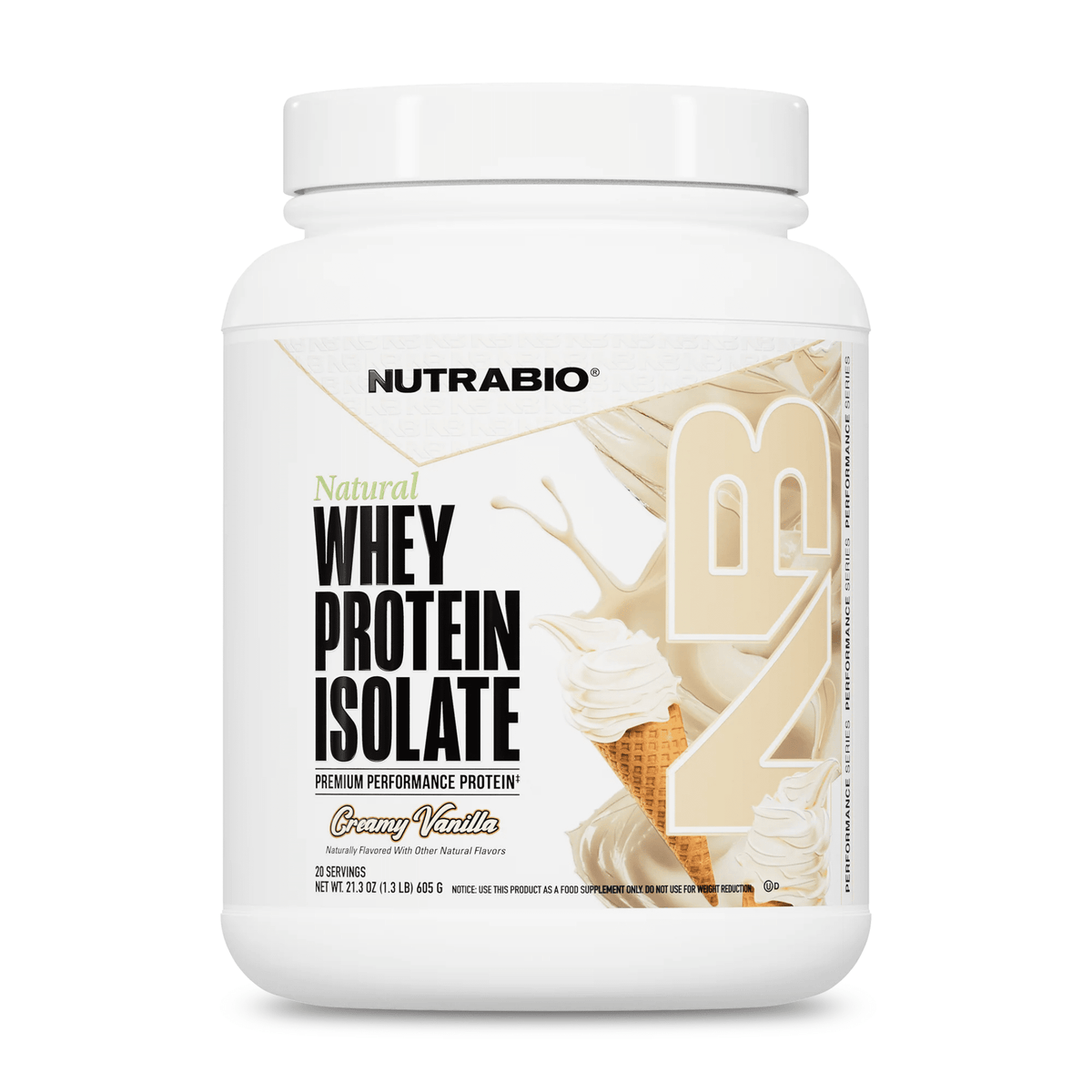
- Creamy Vanilla — the versatile pick. Best if you're stacking with unflavored products, or adding to oats, yogurt, or smoothies.
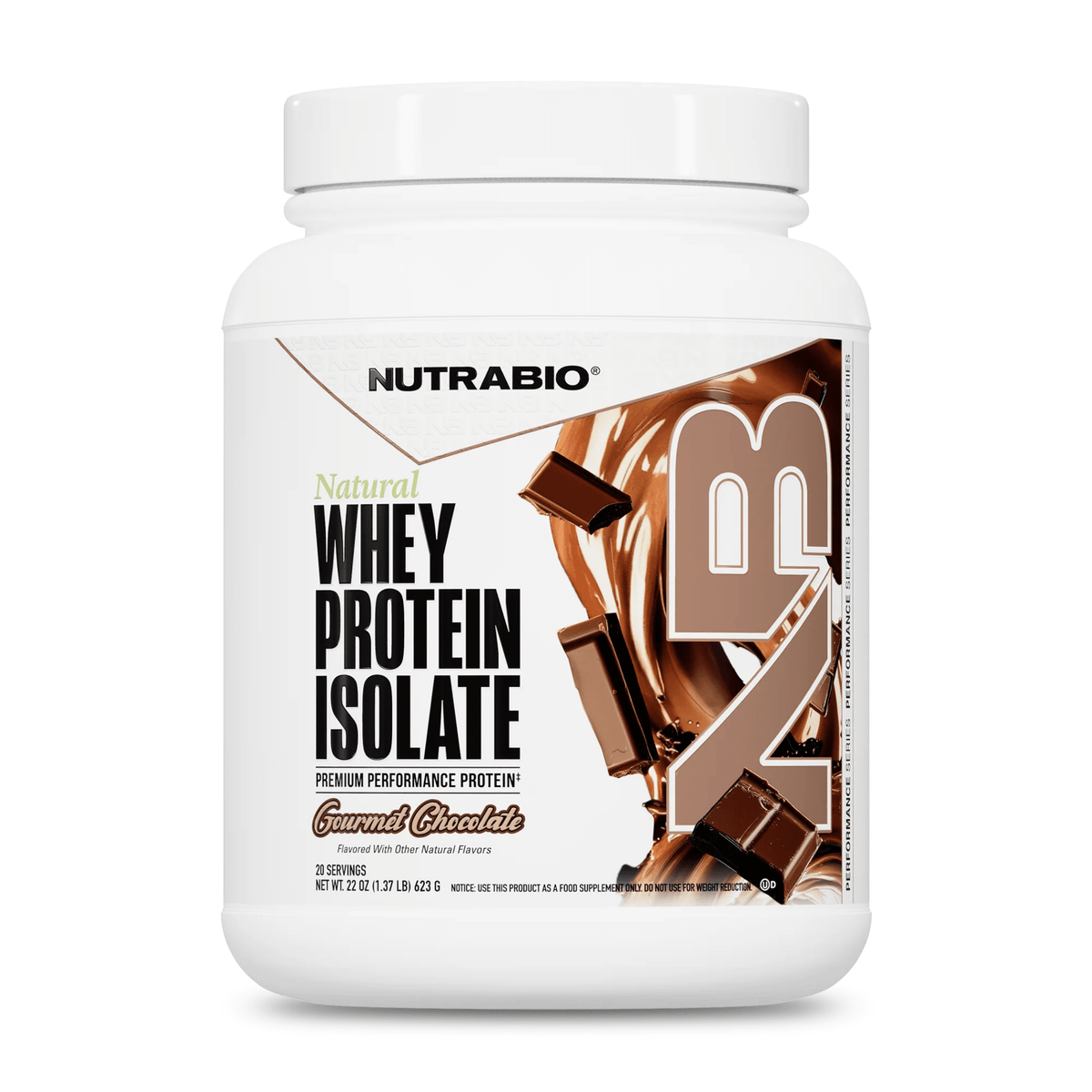
- Gourmet Chocolate — deep cocoa rather than thin chocolate-milk. Holds up well in water.
- Strawberry Ice Cream — the standout. Naturally flavored strawberry is genuinely hard to execute and this one lands; it's the flavor customers come back for.
A note on expectations: naturally sweetened proteins taste different from sucralose-sweetened ones. Stevia has a slightly cleaner, less lingering sweetness with a faint herbal note some people notice and most don't. If you've been drinking artificially sweetened protein for years, give it three or four shakes before you judge it — palates adjust quickly.
Who This Is For
- Anyone avoiding artificial sweeteners, whether for GI comfort, preference, or principle
- Lifters in a cut who need protein without fat or sugar competing for macro space
- People with mild to moderate lactose sensitivity who can't tolerate a concentrate
- Label readers who want to see the full amino acid breakdown before they buy
Not the right pick if: you're maximizing protein per dollar (buy a concentrate), you want a thick milkshake texture (isolate mixes thin), or you're vegan. Ask us — we'll point you somewhere better rather than sell you the wrong tub.
Buy Natural Whey Protein Isolate in Bucks County
Coalition Nutrition has carried NutraBio since we opened in 2013, and we stock the Natural Whey Protein Isolate in-store at 2026 E Old Lincoln Hwy, Langhorne, PA — serving Bucks County and greater Philadelphia including Newtown, Levittown, Bensalem, Feasterville, Yardley, Doylestown, and Northeast Philly.
Order online for shipping, or come in and pick it up today. If you're trying to decide between this and a concentrate, or you've had trouble with protein powders sitting badly, come talk to us. Figuring out which one actually fits your diet is the part a marketplace listing can't do.
Frequently Asked Questions
Is there a protein powder without sucralose?
Yes. NutraBio Natural Whey Protein Isolate is sweetened with stevia leaf extract only — no sucralose, no acesulfame potassium, no artificial colors or flavors. It delivers the same 25 g of WPI90 protein as a conventionally sweetened isolate.
What is cross-flow microfiltration, and does it matter?
Cross-flow microfiltration is a purely physical, low-temperature membrane process that separates protein from fat and lactose without chemical reagents or heat. Because the protein is never denatured, fractions like alpha-lactalbumin, lactoferrin, and immunoglobulins survive the process — which ion-exchange processing largely destroys. It costs more to run, and it's the reason a 90%+ isolate can still carry a meaningful bioactive fraction.
How much leucine do I need to trigger muscle growth?
Roughly 2.5 to 3 grams in a single feeding. Below that threshold, the mTORC1 pathway that initiates muscle protein synthesis doesn't fully activate. This product provides 2.6 g of naturally occurring leucine per 25 g serving, from intact protein rather than added free-form amino acids.
Is whey isolate good for lactose intolerance?
Generally yes. Cross-flow microfiltration removes most of the lactose, so isolate is usually tolerated by people who react to whey concentrate or milk. Severe intolerance may still be an issue, and anyone with a true dairy allergy should avoid whey entirely — this product contains milk.
Is stevia better for you than artificial sweeteners?
Not necessarily — sucralose and acesulfame potassium are both approved and considered safe at normal intakes. The honest reasons to choose stevia are preference, a cleaner ingredient panel, and the fact that some people experience GI discomfort with artificial sweeteners. If artificial sweeteners don't bother you, a conventionally sweetened isolate does the same job.
What is the difference between whey isolate and whey concentrate?
Isolate is filtered further, reaching 90%+ protein by weight with essentially no fat and very little lactose. Concentrate sits around 80% protein and retains more of the naturally occurring fats, carbohydrates, and milk fractions. Both deliver 25 g of protein per serving and both cross the leucine threshold, so for muscle building they perform comparably. Isolate wins on macro precision and digestibility; concentrate wins on cost and texture.
Can I use this for weight loss?
It fits well in a calorie deficit. At roughly 120 calories with zero fat and zero added sugar, it delivers 25 g of protein with minimal macro cost, and adequate protein intake helps preserve lean mass during weight loss while increasing satiety. It's a tool that makes a deficit easier to sustain, not a fat burner.
When should I take it?
Whenever it helps you hit your daily protein target. Isolate absorbs quickly, which makes it convenient post-training, but total daily intake and even distribution across meals matter more than precise timing.
You may also like
Recently viewed
- Opens in a new window.