


Description
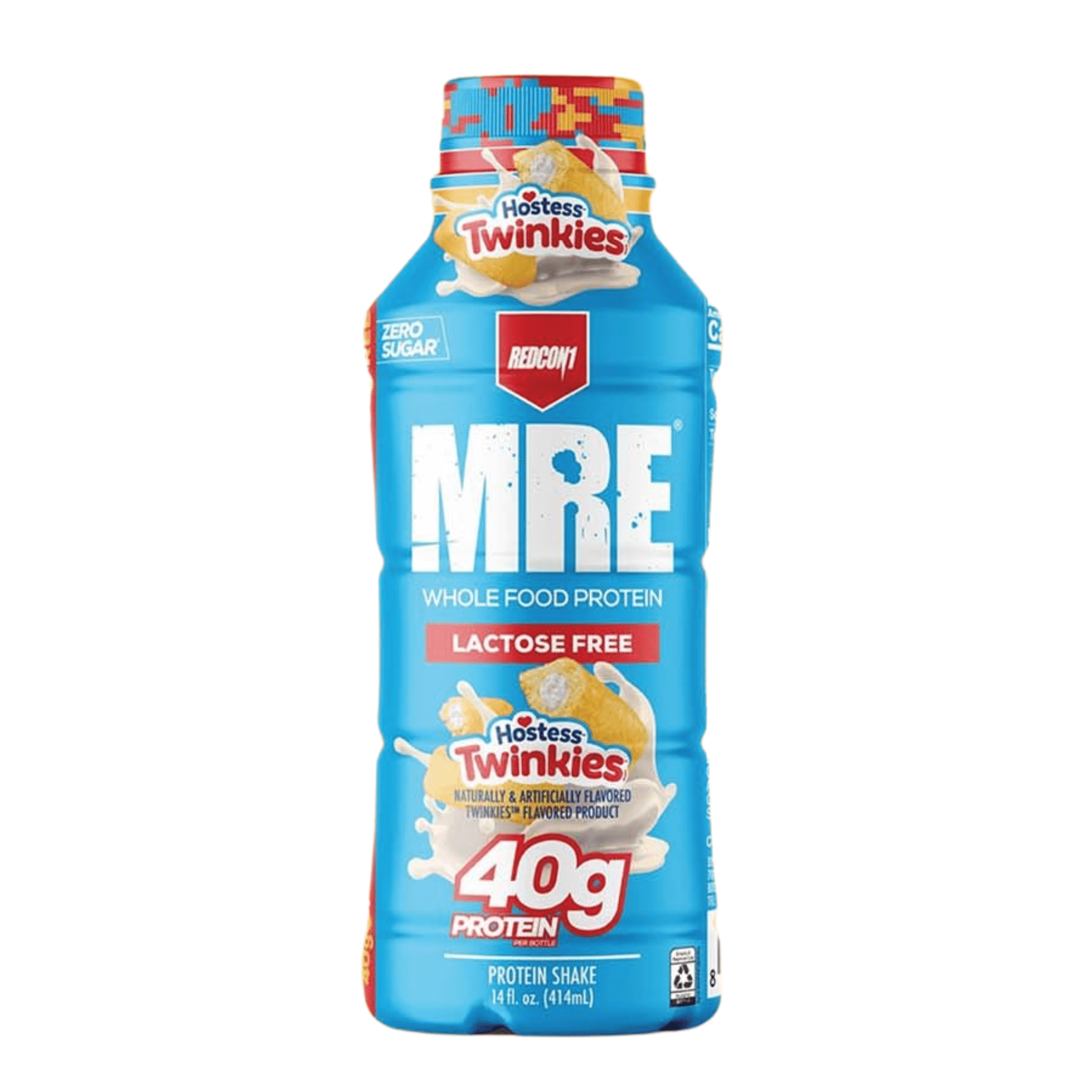
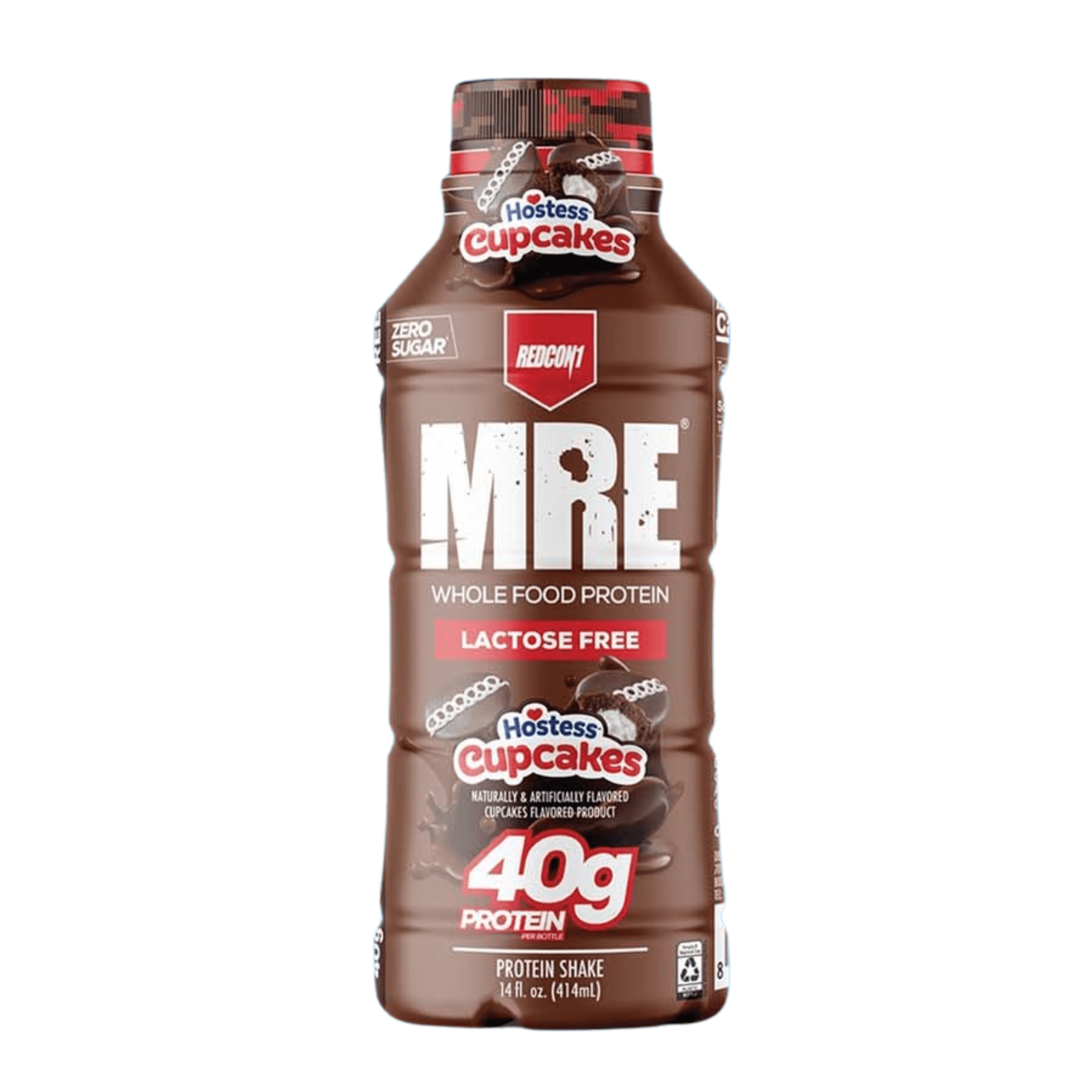
RedCon1 MRE RTD
A ready-to-drink version of MRE — Meal Replacement Enhanced — built on whole-food protein sources rather than isolated whey.
What makes MRE different: whole-food protein
This is the entire premise, and it is a real distinction rather than a marketing angle.
Most protein products use isolated whey or casein. MRE instead uses a blend of whole-food sources — typically beef, chicken, salmon, egg and pea protein.
What that changes:
- A broader amino acid profile. Different protein sources have slightly different profiles, so a blend covers more ground than any single source
- Slower digestion. Whole-food proteins digest more gradually than whey isolate, which makes this more satiating and better suited to replacing a meal than to post-workout use
- No dairy dependence. Useful if whey sits badly with you, though check the panel for your specific sources
- Carbohydrate included, since it is built as a meal rather than a protein top-up
The honest counterpoint: whole-food protein powders are generally more expensive per gram of protein than whey, and the amino profile advantage is modest if your overall diet is varied. You are paying for the meal-replacement function and the digestion profile, not for superior protein.
An RTD is a convenience product, and that is fine
Worth being straightforward about what you are buying.
A ready-to-drink shake costs more per serving than the equivalent powder. Always. You are paying for the can or bottle, the liquid, and the fact that you do not have to do anything.
Where that is genuinely worth it:
- In the car, at work, or travelling, where mixing is impractical
- In a gym bag, with no shaker to wash afterwards
- When the alternative is skipping the meal entirely — which is the honest comparison for most people
- Flying, where protein powder in a bag attracts attention and liquid does not
Where it is not: at home, where powder does the same job for considerably less.
Meal replacement, not protein shake
An important distinction, because people buy the wrong one.
| Protein shake | Protein only, ~120 cal | Tops up daily protein |
| MRE RTD | Protein and carbohydrate | Stands in for a meal |
| Mass gainer | Very high calorie | Adds calories on top of meals |
Drinking 25g of protein instead of eating lunch leaves you short on energy and hungry within the hour. MRE is built to actually replace the meal, which is why it contains carbohydrate.
And the food-first point stands: real food is better, bringing fibre, micronutrients and satiety. An MRE competes with skipping the meal or a petrol station, not with a good lunch — and against those it wins comfortably.
Specs
| Protein | Whole-food sources — check the panel |
| Format | Ready to drink |
| Type | Meal replacement, not a protein top-up |
| ⚠ Allergens | Check for egg and fish depending on sources |
How to take it
- In place of a meal, not in addition to one — unless you are deliberately gaining.
- When eating properly is not realistic — travelling, working, between commitments.
- Not as your post-workout protein if speed matters; whole-food protein digests slowly.
- Count it toward your daily totals as a meal.
- Chilled improves it considerably.
Who this is for
- Anyone whose schedule regularly means skipping meals
- People who travel or drive for work
- Anyone who finds whey sits heavily
- People wanting a slower-digesting protein between meals
- Anyone who wants no mixing and no shaker to wash
Who this is not for
Anyone at home with a shaker. The powder version costs considerably less for the same thing.
Anyone wanting fast protein around training. Whey isolate is the right tool there.
Anyone optimising cost per gram of protein. RTDs are the most expensive way to buy protein.
Anyone with an egg or fish allergy, depending on the sources used.
Anyone replacing most meals with it — whole food should still be the majority of your intake.
Not for anyone under 18 without medical advice.
Stack it with: nothing needed. If you are using it as a meal, it is doing that job on its own.
Frequently asked questions
What makes MRE different?
It uses whole-food protein sources — beef, chicken, salmon, egg, pea — rather than isolated whey. That broadens the amino profile and slows digestion.
Is whole-food protein better than whey?
Not inherently. It digests more slowly and suits meal replacement better, but it costs more per gram and the amino advantage is modest if your diet is varied.
Is it a protein shake?
No — it is a meal replacement, which is why it contains carbohydrate. A protein shake instead of lunch leaves you short on energy and hungry within the hour.
Can I use it post-workout?
You can, but whole-food protein digests slowly. Whey isolate is better suited if speed matters.
Why is an RTD more expensive?
You are paying for the bottle, the liquid and the convenience. Worth it when mixing is impractical; not worth it at home.
Is it better than real food?
No. It competes with skipping the meal or a petrol station — and against those it wins comfortably.
What allergens should I check?
Egg and fish, depending on which whole-food sources your version uses.
How many can I have a day?
One or two at most. Whole food should still be the bulk of your intake.
You may also like
Recently viewed
- Opens in a new window.