


Description
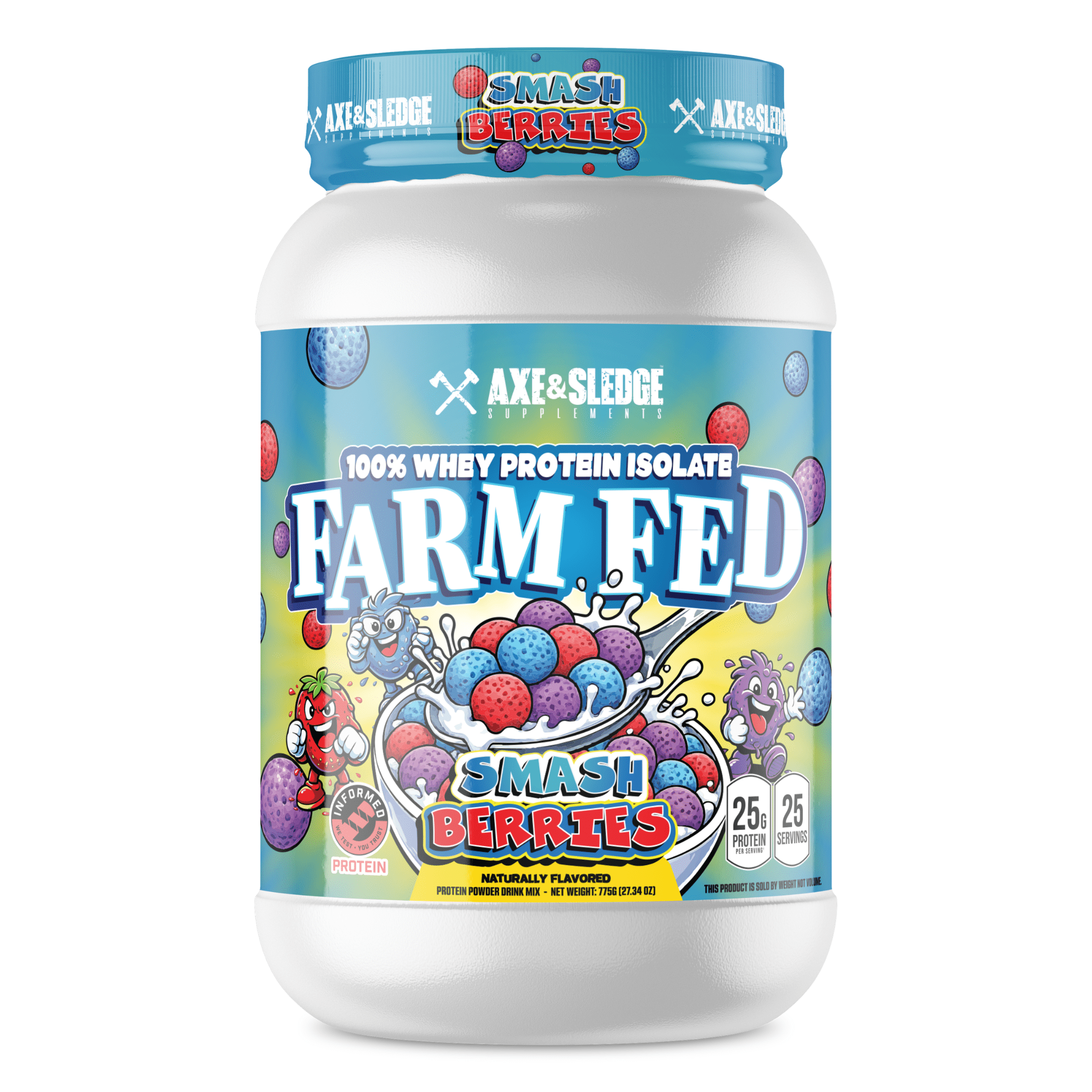
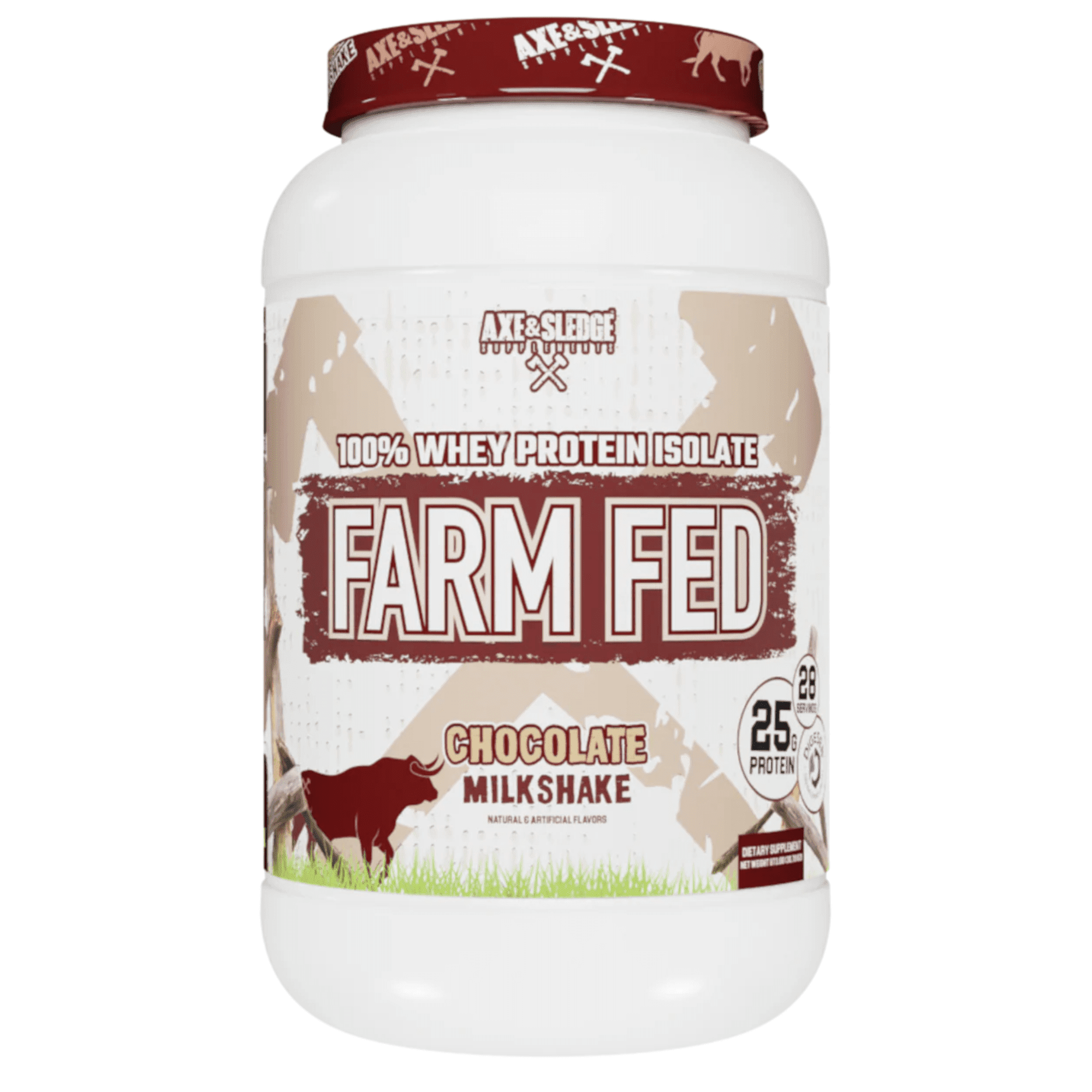
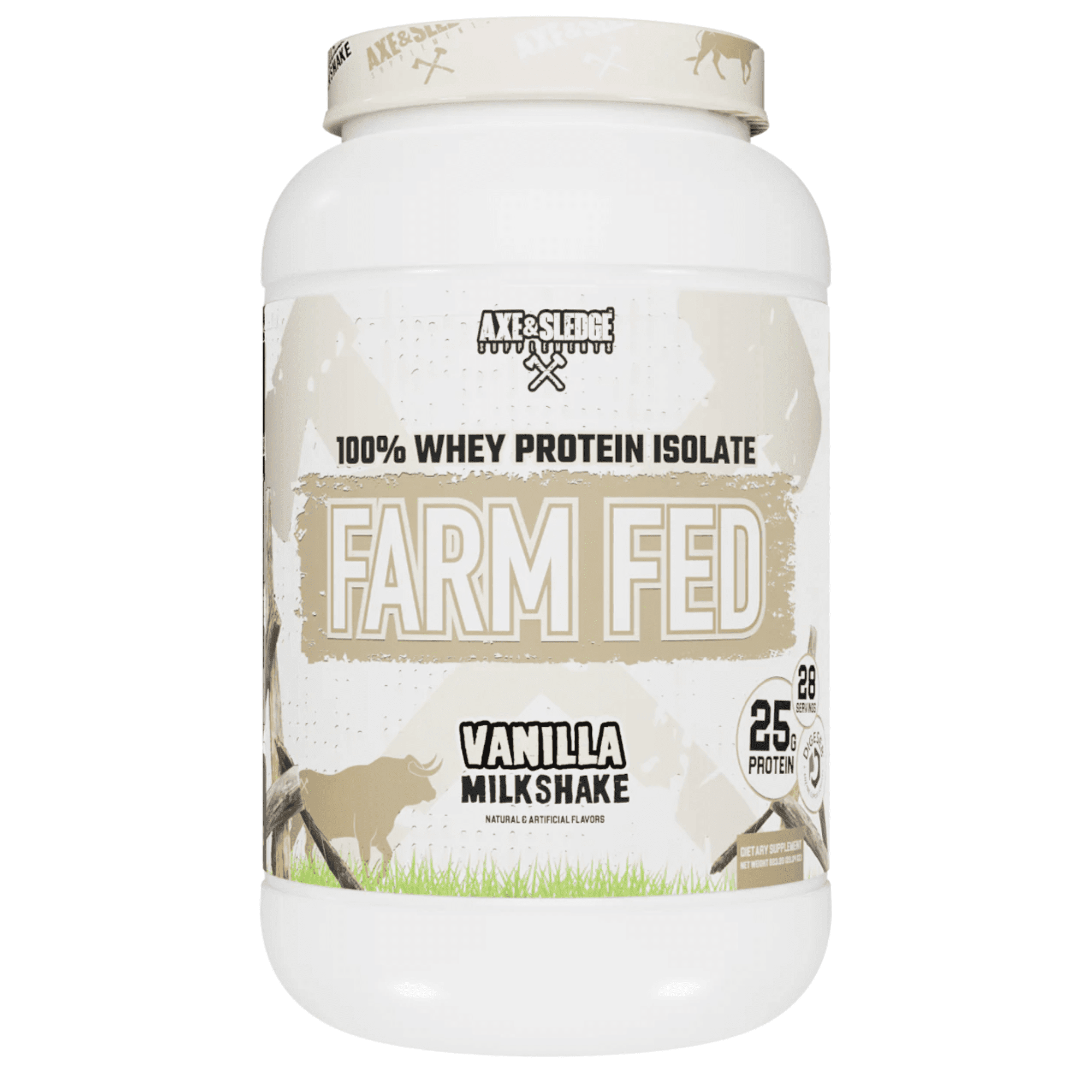
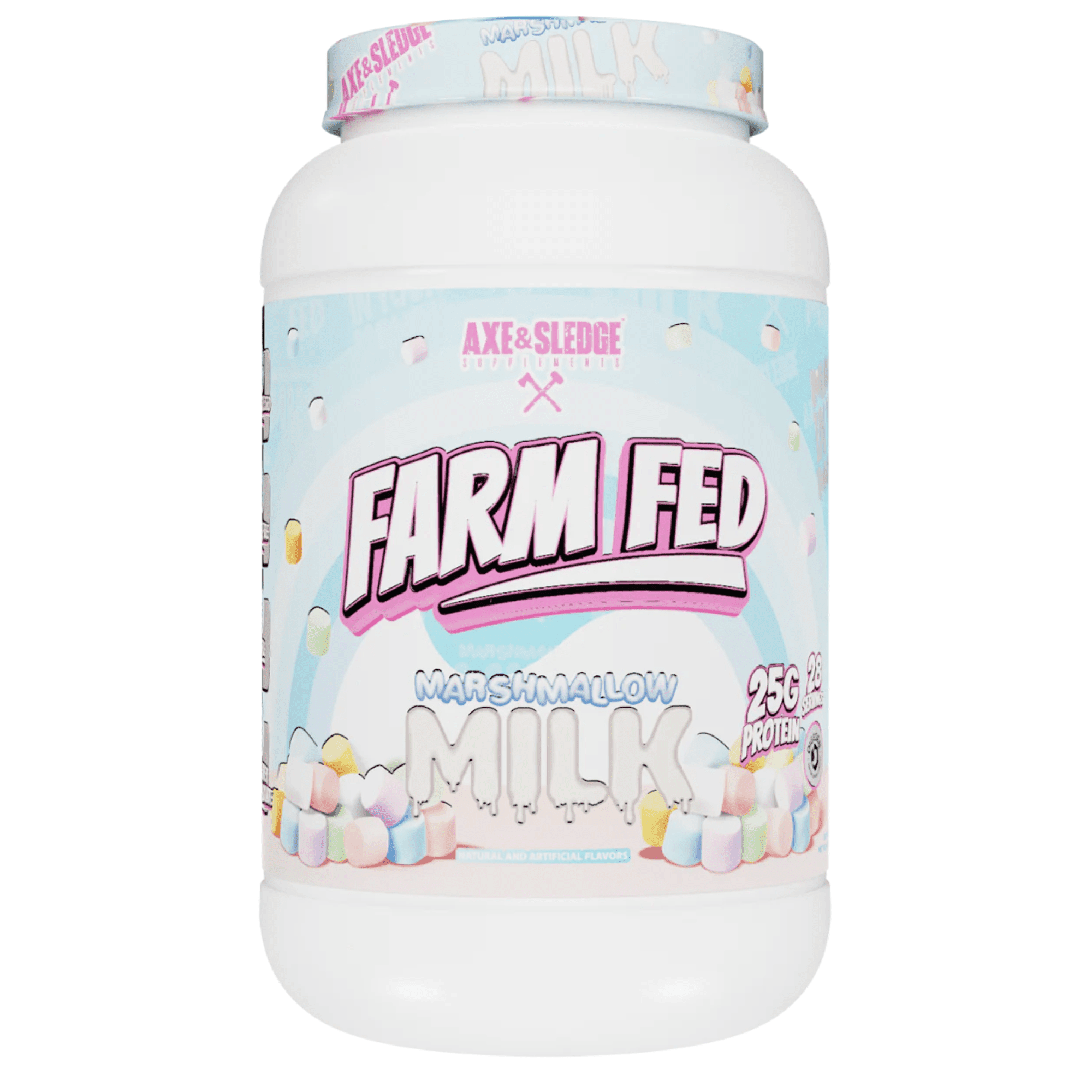
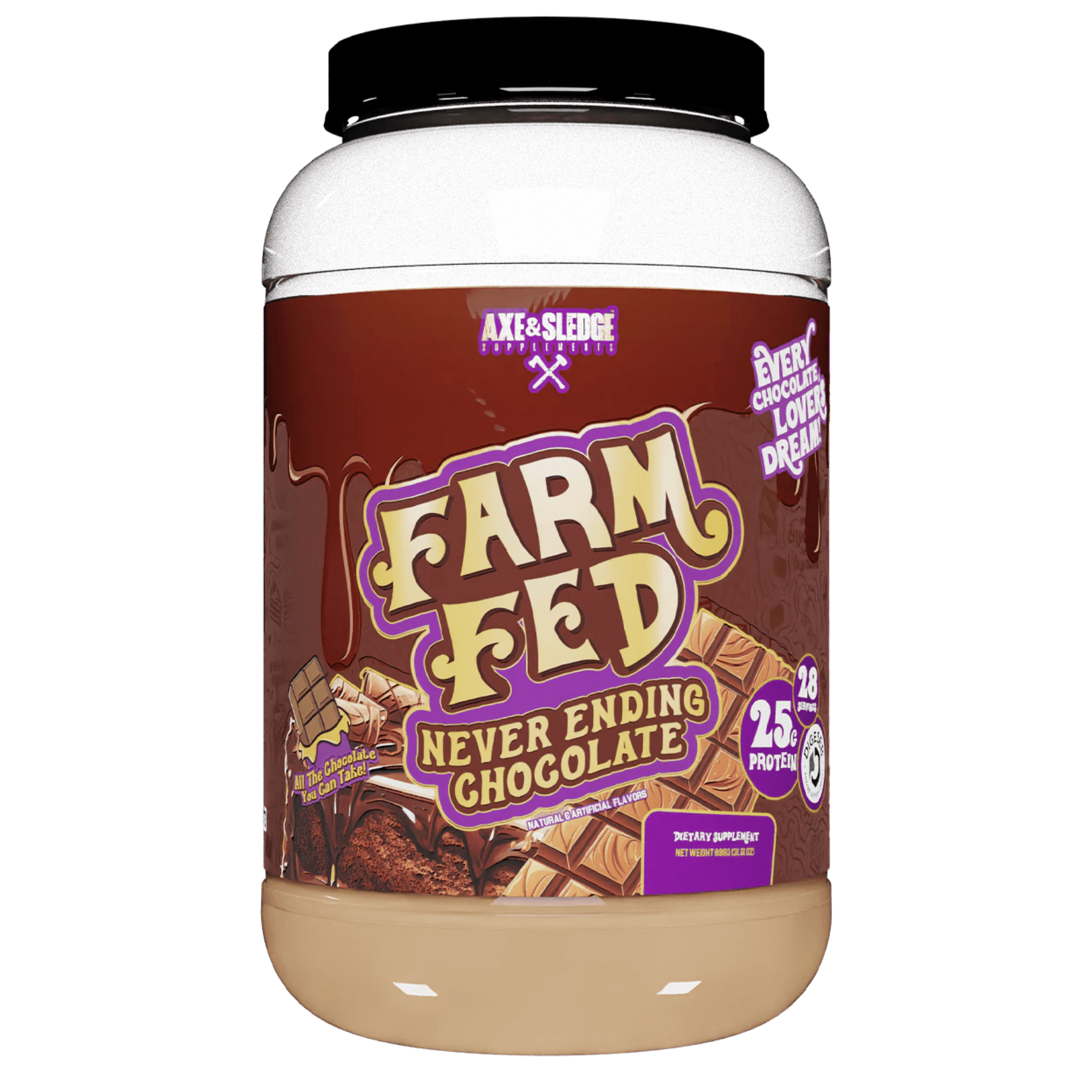
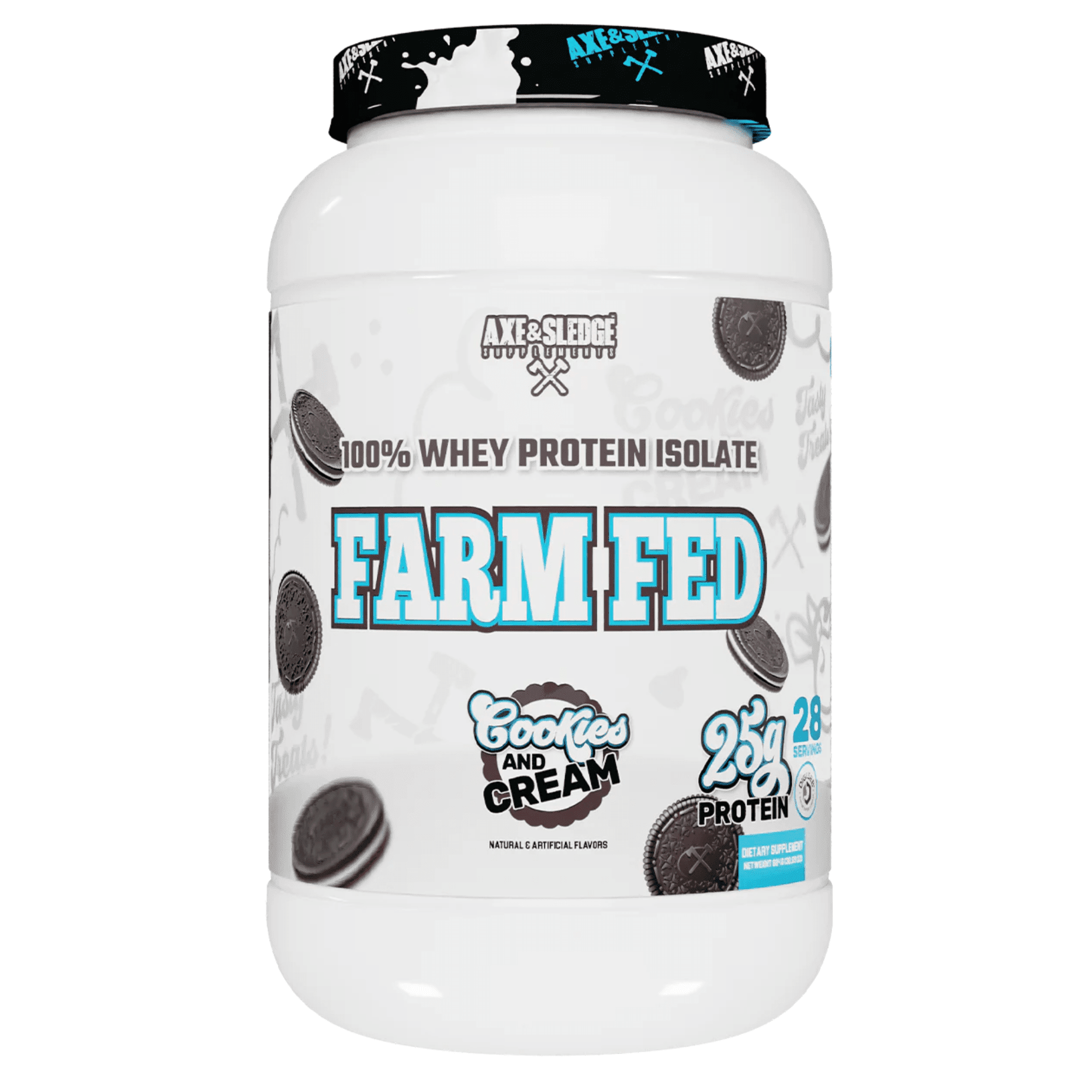
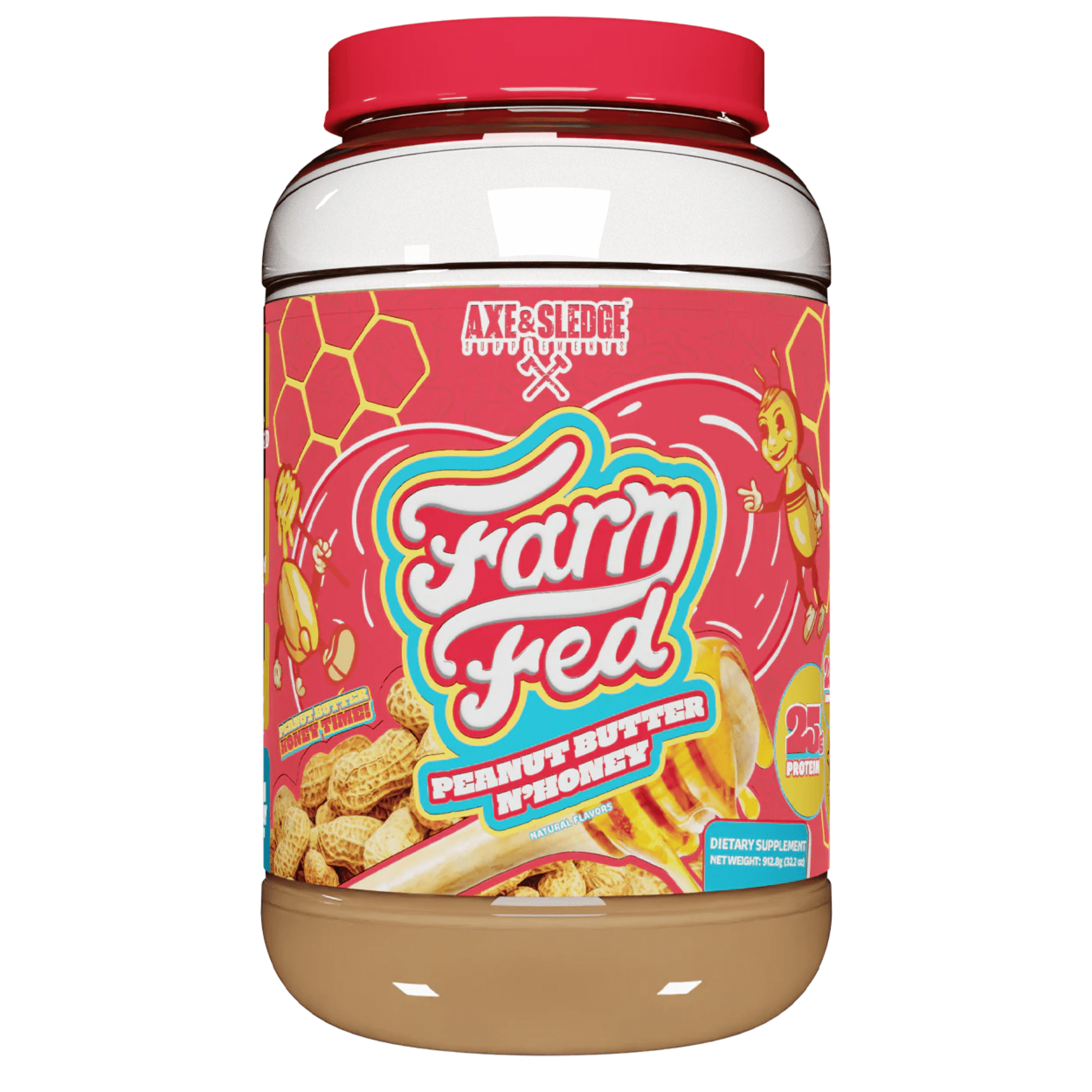
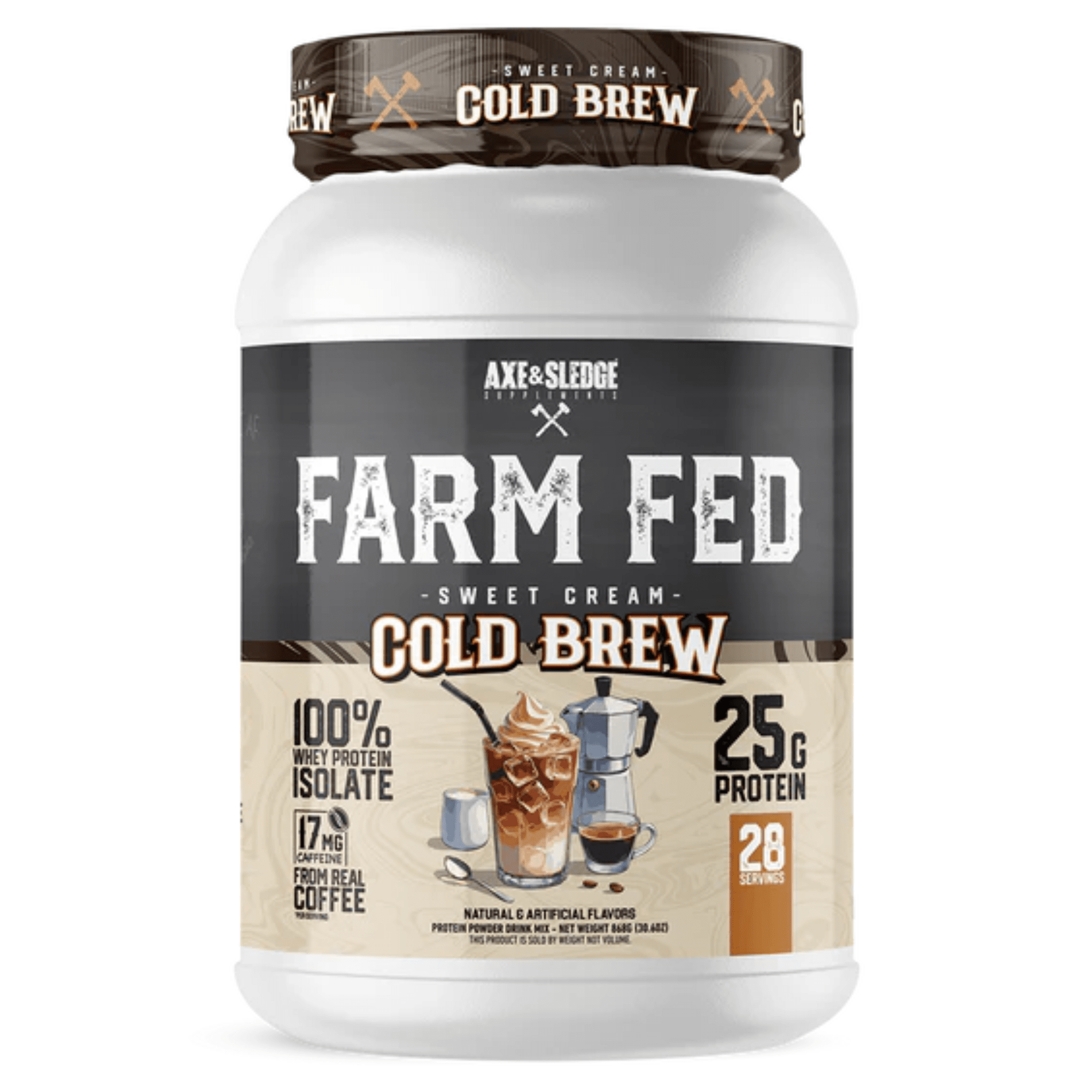
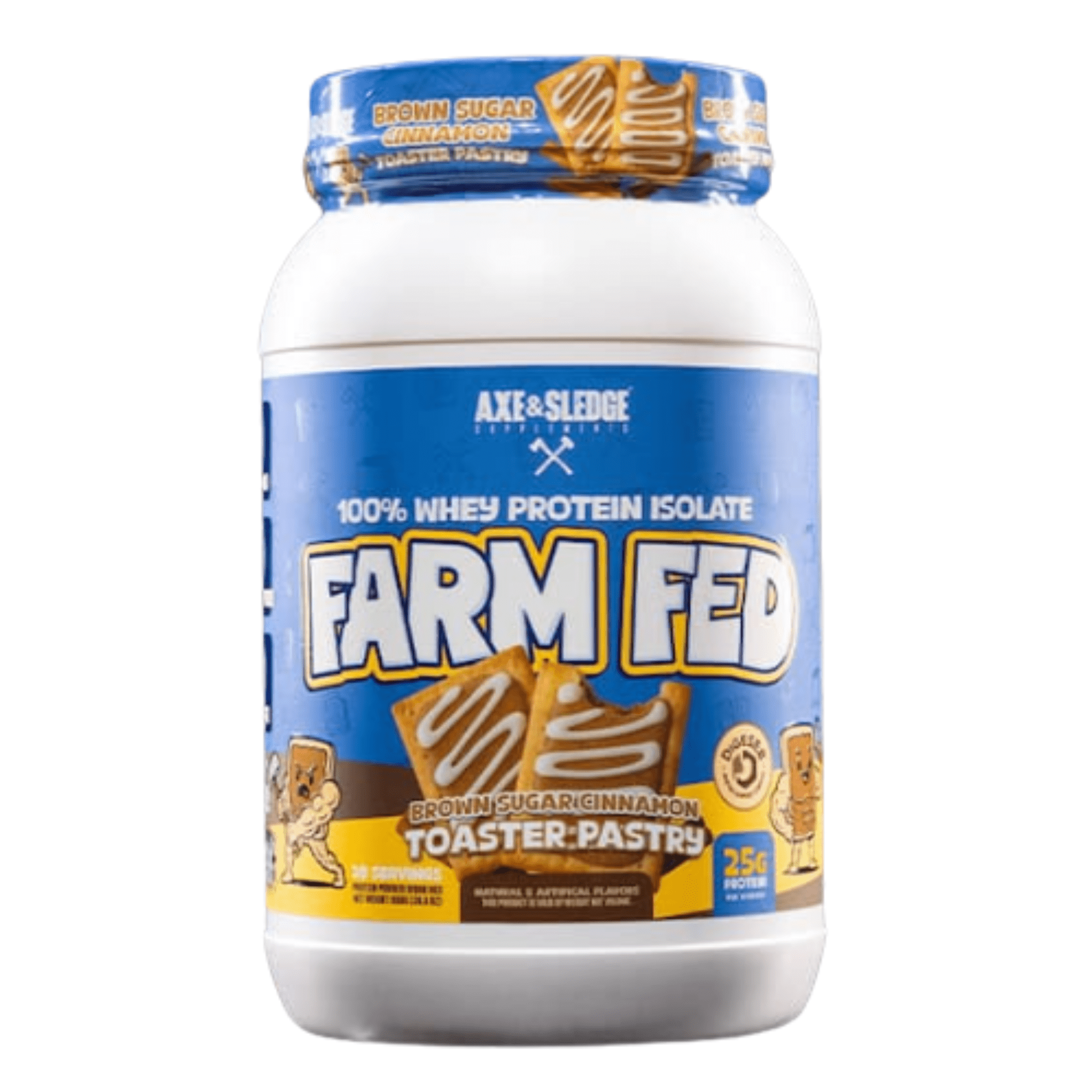
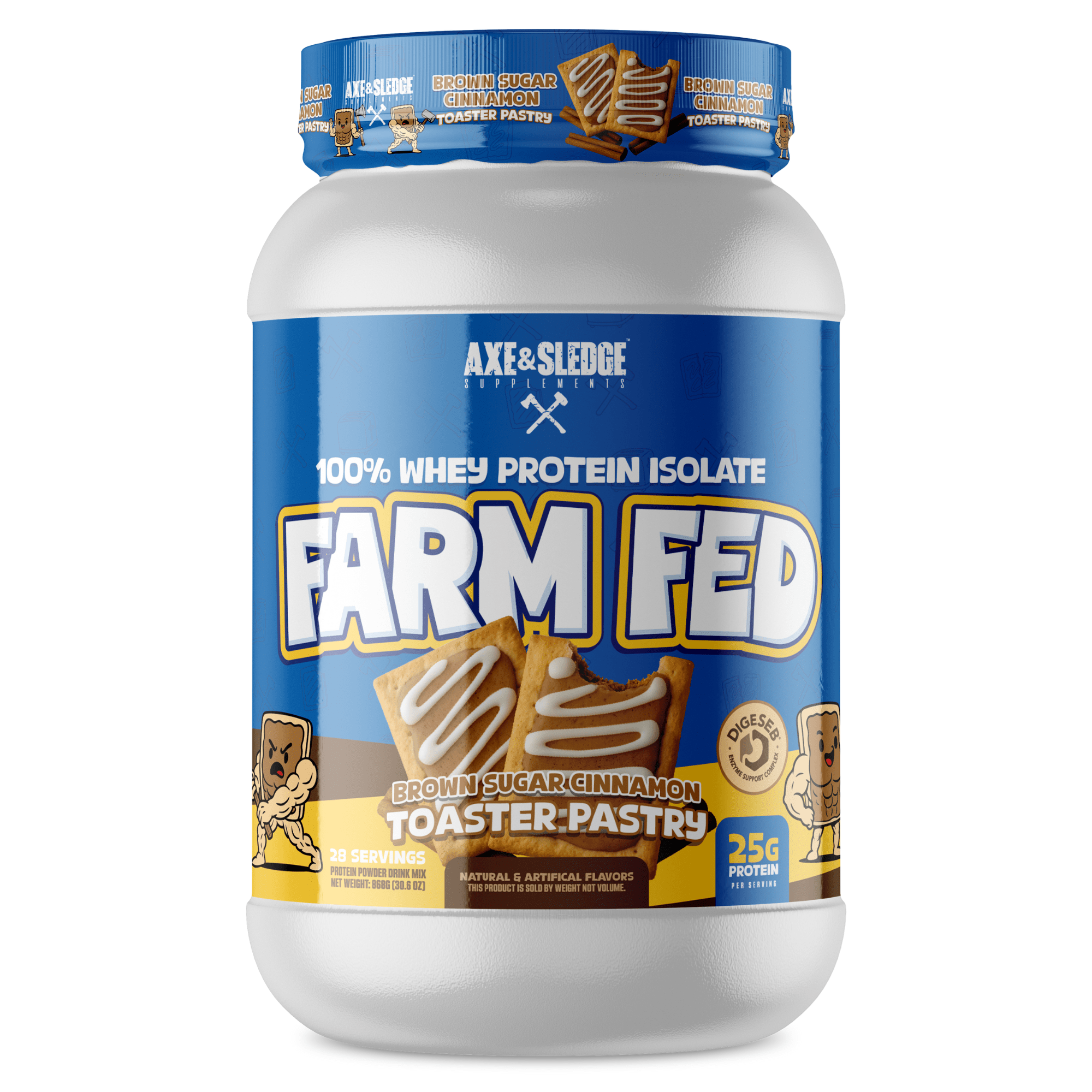
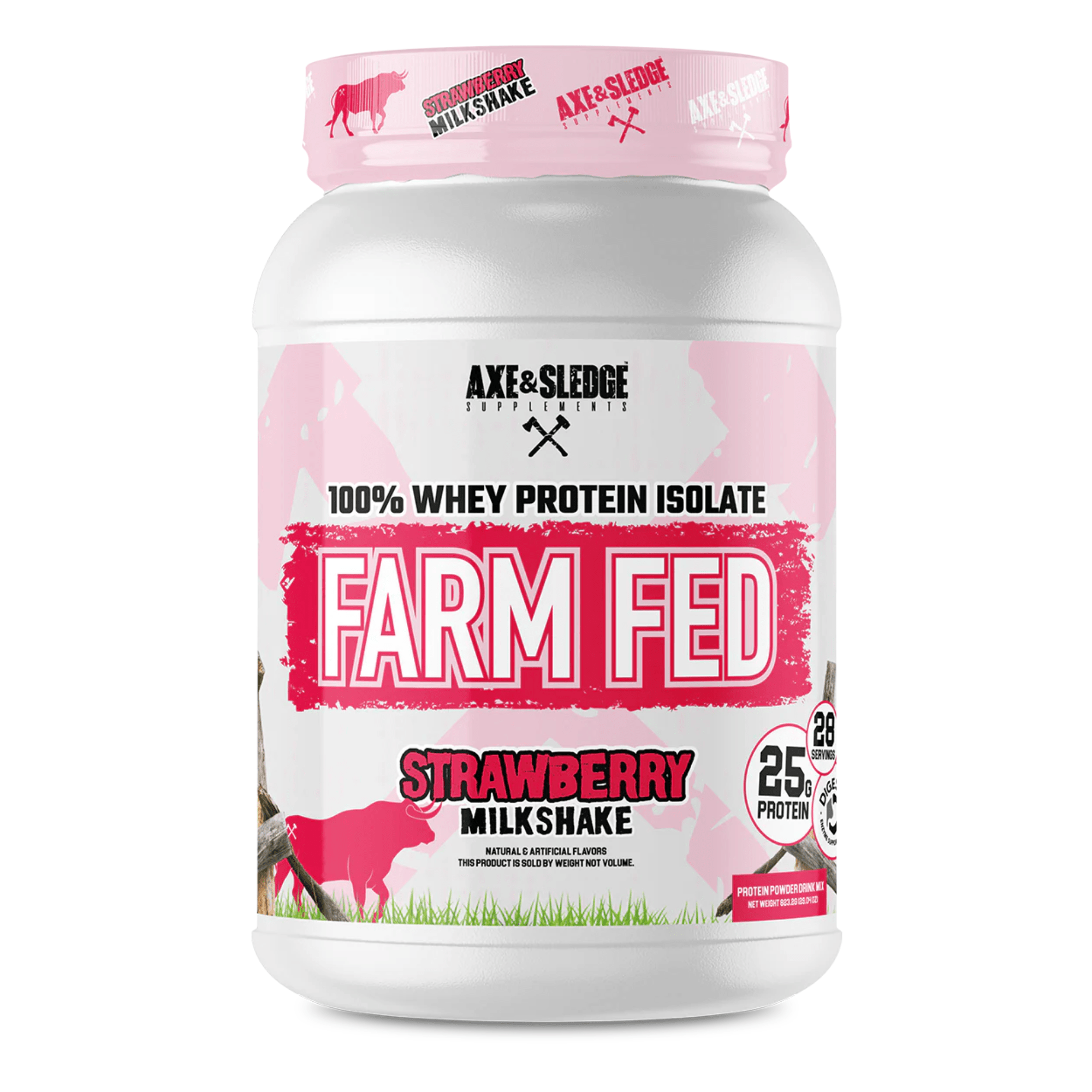
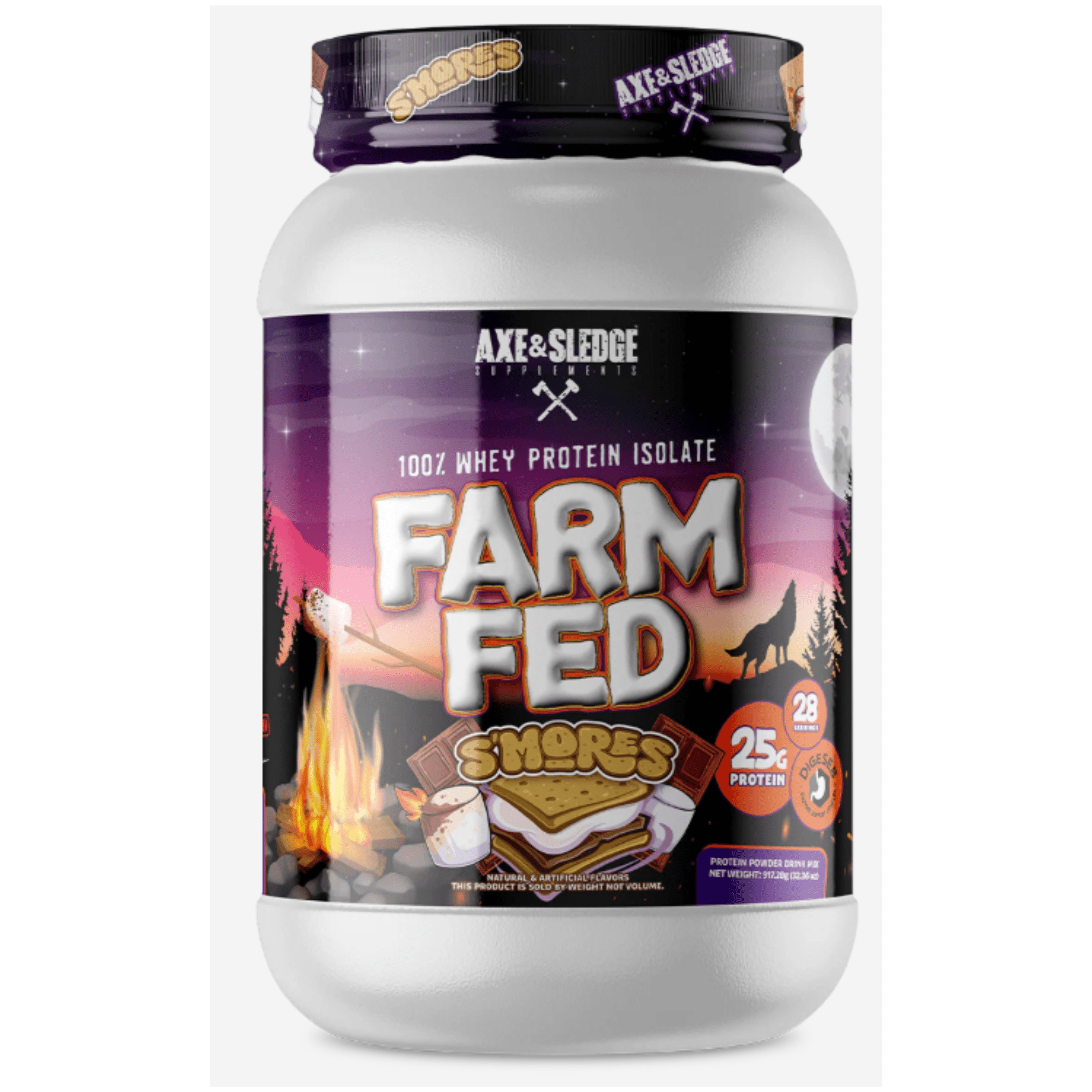
Axe & Sledge Farm Fed Protein
22 grams of protein at around 100 calories, from 100% grass-fed whey isolate, cold-processed and cross-flow filtered. With DigeSEB Plus digestive enzymes and no amino spiking.
Grass-fed is the headline here, so it is worth being straight about what that actually gets you in an isolate.
The honest position on grass-fed whey
Grass-fed whey is a real thing and the claims around it are usually overstated. Here is the accurate version.
The nutritional argument for grass-fed dairy concerns the fat. Milk from pasture-raised cows carries a modestly better fatty acid profile — more omega-3 and more conjugated linoleic acid — than milk from grain-fed cattle.
But this is a whey isolate, and isolate filtration removes almost all of the fat. Farm Fed carries 0.5g of fat per serving. So the nutritional advantage that grass-fed dairy genuinely has is largely filtered out along with everything else.
We would rather tell you that than let you pay for something you are not receiving.
So what is the real case for grass-fed here?
- Farming practice. Pasture-raised cattle, which some people care about on its own terms and which is a perfectly good reason
- No rBGH and no antibiotics in the milk supply — this is the substantive one, and it is not affected by filtration
- Non-GMO feed sourcing
Those are genuine reasons to choose it. "Grass-fed means a better amino acid profile" is not — the amino acids in whey are the same regardless of what the cow ate.
Cold-processed cross-flow filtration
This part is a real quality marker.
Heat denatures protein, unfolding it from its native structure. The amino acids survive either way, but cold processing keeps the protein closer to its natural state and preserves the minor bioactive fractions that heat destroys.
Farm Fed uses cross-flow micro and ultra-filtration — physical membranes rather than heat or acid. It is more expensive than ion-exchange processing, and it is the same method behind the better isolates on our shelf.
The enzymes, and why they belong in a protein powder
DigeSEB Plus is a patented blend containing amylase, two proteases, lactase, lipase, hemicellulase, cellulase, invertase and diastase.
In a protein powder specifically, two of those earn their place:
- Lactase breaks down residual lactose. Isolate is already very low in lactose, so this is belt-and-braces for anyone sensitive
- Protease assists protein breakdown, which is the relevant enzyme for a 22g protein dose
The rest — cellulase, invertase, diastase — act on carbohydrates and plant fibres that are not really present in an isolate. They do no harm, but the honest read is that lactase and protease are the two doing the work here.
Our Digest Aid page covers enzymes in full if you want the detail.
Specs (per 28g scoop)
| Protein | 22g (25g in the reformulated version) |
| Calories | 100–110 |
| Fat | 0.5g |
| Carbohydrate | 3g |
| Leucine | 2.2g |
| Protein by weight | ~79% |
| Enzymes | DigeSEB Plus, 50mg (100mg in the newer version) |
| Source | 100% grass-fed whey isolate |
| Processing | Cold, cross-flow micro and ultra-filtered |
| Free from | rBGH, antibiotics, GMO, amino spiking |
| ⚠ Gluten | Gluten free — except the S'mores flavour |
| Allergen | Milk |
79% protein by weight puts it right where a genuine isolate should sit — the same test we apply on our Itholate page.
Honest note on the leucine
2.2g of leucine at 22g protein is worth understanding, because leucine is the amino acid that actually triggers muscle protein synthesis.
The commonly cited threshold is around 3 grams per serving. Farm Fed's 22g serving sits below that, which is simply a consequence of the serving size rather than a quality problem — the leucine content per gram of protein is normal for whey.
Practically: if this is your post-training serving and maximising the response matters to you, use a scoop and a half. If it is a top-up between meals alongside other food, 22g is perfectly fine. The reformulated 25g version narrows the gap.
For comparison, PÜR NATIVE delivers 3.1g of leucine in a 25g serving, which is unusually high.
Where it sits on our shelf
| Farm Fed | 22g / 100 cal | Grass-fed, cold processed, added enzymes |
| CBUM Itholate | 25g / 110 cal | Informed Protein certified |
| NutraBio Isolate | 25g / 110 cal | Published lot-number lab results |
| PÜR NATIVE | 25g / 107 cal | Native whey, 3.1g leucine |
Choose Farm Fed if grass-fed sourcing and the enzyme blend matter to you. If maximum protein per serving is the priority, the 25g options give you more.
How to mix it
- One scoop in 6 to 12 ounces of water, milk or a milk alternative. Vary the liquid to taste — less for thicker.
- Around 20 minutes after training is Axe & Sledge's own suggestion, though total daily protein matters more than timing.
- Into oats, yoghurt or smoothies works well.
- Less suited to baking — pure isolate dries baked goods out. Use a blend.
Who this is for
- Anyone who cares about farming practice, rBGH-free and antibiotic-free sourcing
- People who get digestive discomfort from protein powder — the lactase and protease genuinely help
- Anyone cutting: 22g protein for 100 calories is efficient
- People who want cold-processed rather than heat-treated whey
- Anyone avoiding amino spiking
Who this is not for
If you are coeliac, avoid the S'mores flavour. Every other flavour is gluten free; that one is not.
If you want maximum protein per scoop, 22g is lower than most isolates at 25g. Check whether you have the reformulated version.
If you are buying it specifically for grass-fed nutritional benefits, understand that isolate filtration removes the fat those benefits live in. Buy it for the sourcing and the enzymes, which are real.
If you have a milk allergy rather than lactose intolerance, no whey is suitable.
If cost per gram matters most, a concentrate blend is cheaper.
Stack it with: creatine, which mixes in without affecting flavour. See our creatine range.
Frequently asked questions
Does grass-fed whey actually make a difference?
The nutritional advantage of grass-fed dairy is in the fat — more omega-3 and CLA. Isolate filtration removes almost all the fat, so that benefit is largely stripped out. The real reasons to choose it are farming practice and rBGH-free, antibiotic-free sourcing.
How much protein per scoop?
22g from a 28g scoop in the standard version — around 79% protein by weight. The reformulated version delivers 25g.
What does cold-processed mean?
The whey is filtered through physical membranes rather than heat-treated. Heat denatures protein and destroys the minor bioactive fractions, so cold processing keeps it closer to its native state.
Why are there digestive enzymes in it?
DigeSEB Plus includes lactase, which breaks down residual lactose, and protease, which assists protein breakdown. Those two are the ones doing meaningful work in a protein powder.
Is it gluten free?
Yes, with one exception — the S'mores flavour is not.
Is 2.2g of leucine enough?
It is slightly below the roughly 3g threshold associated with maximally triggering muscle protein synthesis. That is a function of the 22g serving size rather than protein quality. Use a scoop and a half if this is your main post-training serving.
Is it suitable if I am lactose intolerant?
Generally yes. Isolate is very low in lactose and the added lactase helps further.
What does amino spiking mean?
Adding cheap free-form amino acids to inflate nitrogen-based protein tests without supplying usable complete protein. Farm Fed does not do this.
You may also like
Recently viewed
- Opens in a new window.